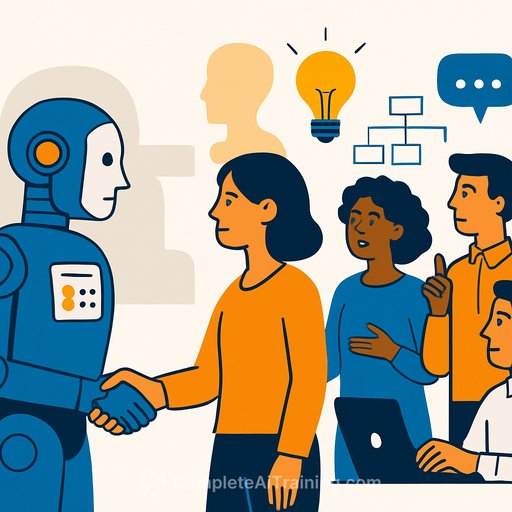
The Rise of AI and Its Impact on the Workplace
The emergence of artificial intelligence (AI) is changing how work gets done and shifting the dynamics of trust within organizations. For HR professionals, the challenge lies in integrating AI responsibly while keeping the human element central to their strategies.
Recent discussions at the Talent & Tech Asia Summit highlighted that many people tend to overestimate AI’s immediate effects but underestimate its long-term influence. This mixed feeling of excitement and overwhelm reflects the complex role AI now plays across industries.
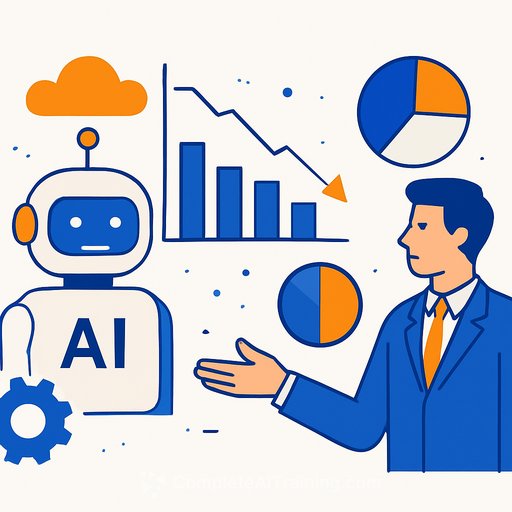
According to the Future of Jobs Report 2025, AI is creating new jobs, especially in fields like healthcare where AI assists in diagnostics and patient care. However, the rise of AI has also led to layoffs in some sectors, stirring anxiety among knowledge workers. Questions about the meaning of work, career stability, and staying relevant are becoming common concerns in workplaces adapting to AI.
Human Experiences to Focus on in an AI-Driven Workplace
To help employees and organizations thrive alongside AI, four key areas require attention:
1. Talent
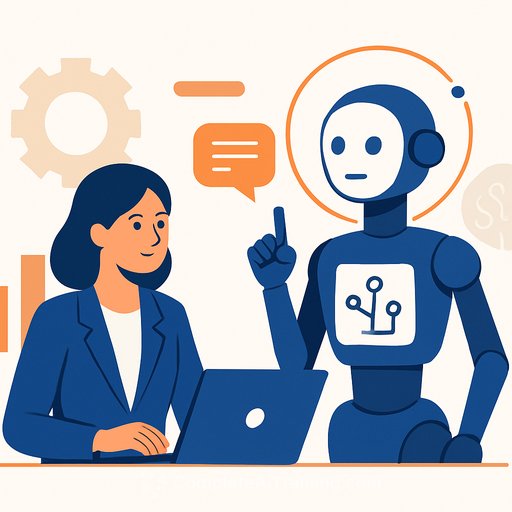
People remain the most valuable asset in successfully adopting AI. Investing in upskilling for AI literacy is essential. This means creating a foundational understanding of AI concepts, responsible use, and how human-AI collaboration can enhance work. Building this common core prepares employees to use AI tools effectively and safely.
2. Tools
Training on AI tools is critical. For example, image-generation tools require guidance to avoid embedding bias in content. Establishing diversity and inclusion protocols around AI-generated content helps ensure fairness. Remember, AI tools function well only when employees know how to use them responsibly and effectively.
3. Trust
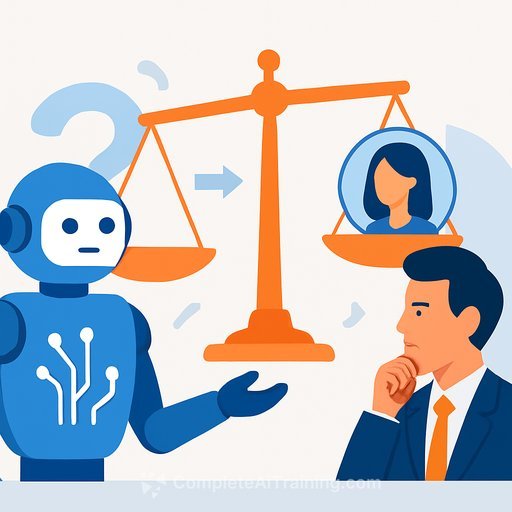
While AI can boost productivity, over-reliance risks unfair or unethical outcomes. Employers must maintain trust in their people’s judgment and abilities to deliver value. AI literacy helps employees make informed decisions and balance AI use with human insight.
4. Teams
Diverse and interdisciplinary teams are vital in developing and managing AI solutions. Different perspectives reduce blind spots and support the creation of trustworthy AI. Building inclusive teams fosters a sense of belonging and shared ownership of AI-driven change.
At the core, trust creates connection and engagement. AI should be viewed as a tool that works for us—not something imposed on us. HR leaders play a crucial role in ensuring employees feel included and empowered throughout this transformation.
For HR professionals looking to boost AI literacy and skills within their teams, exploring specialized training can be a practical step. Resources like Complete AI Training’s latest AI courses offer role-specific programs to build confidence and competence in this area.
Your membership also unlocks: