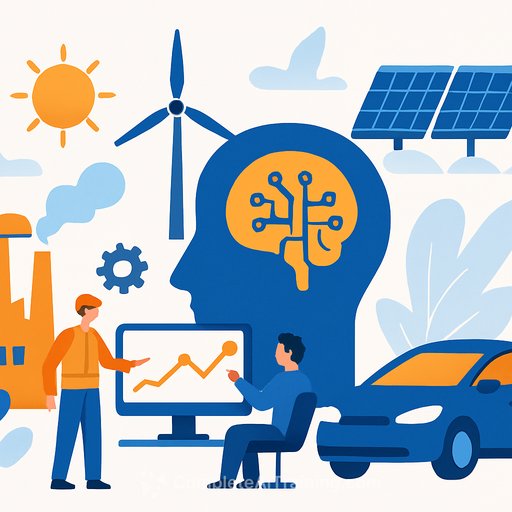
Distributed Intelligence: Using AI to Manage Power
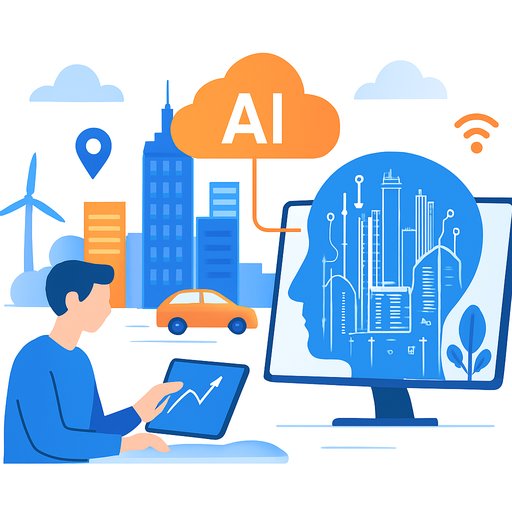
Artificial intelligence is changing how organizations manage energy, delivering practical solutions to reduce consumption and cut costs across sectors. AI-driven energy management systems can lower expenses by up to 20% in buildings and industrial facilities. This article highlights key applications, leading companies, and technologies reshaping energy management.
10 Sectors Embracing AI Power Management
- Building management: AI fine-tunes HVAC, lighting, and other systems in commercial and residential buildings.
- Power grid optimization: AI improves electricity distribution, demand forecasting, and renewable energy integration.
- Electric vehicle charging: AI schedules charging and manages grid loads effectively.
- Transportation: AI enhances energy efficiency in trains, electric vehicles, and trucking.
- Manufacturing: AI controls machinery and processes to minimize energy waste.
- Agriculture: AI manages irrigation, lighting, and climate control in farming.
- Healthcare: AI optimizes energy use in hospitals and clinics.
- Data centers: AI reduces huge energy demands through efficient cooling and power management.
- Retail: AI streamlines energy use in stores and warehouses.
- Smart homes: AI manages appliances and systems to cut energy consumption.
Leading Companies in AI Power Management
Several companies lead in AI-powered energy solutions, each with distinct strengths:
- Honeywell: Building management and industrial control systems.
- Johnson Controls: Smart building tech and energy efficiency.
- Siemens: Industrial automation, smart grids, and energy management.
- General Electric: Power generation, grid solutions, and industry applications.
- ChargePoint: EV charging infrastructure and management.
- Tesla: Electric vehicles and energy storage, including charging networks.
- IBM: AI platforms for energy and utilities.
- Google: AI, data analytics, and smart building tech like Nest.
- Rockwell Automation: Industrial automation for manufacturing.
- Schneider Electric: Energy management and automation across sectors.
- John Deere & Company: Precision agriculture and smart farming.
- Trimble: Agriculture and construction resource management.
- IBM Watson Health: Healthcare AI for operational and energy efficiency.
- GE Healthcare: Medical tech with energy optimization in hospitals.
- Google DeepMind: AI research focused on data center energy efficiency.
- Microsoft: Cloud and AI services applied to energy management.
- Amazon Web Services (AWS): Cloud AI and IoT solutions for energy.
- Oracle: Cloud infrastructure for utilities and energy firms.
- Google Nest: Smart home energy devices and automation.
- Bosch: IoT and AI in energy-efficient buildings and factories.
- ABB: Digital energy management for industrial and hybrid power plants.
Understanding Power Consumption: A Comparative Scale
Knowing typical power consumption helps identify where AI can make the biggest difference:
- Low consumption
LED light bulb: 10-15 watts
Refrigerator: 100-200 watts - Medium consumption
Electric oven: 2,000-5,000 watts
Electric car: 0.2-0.4 kWh per mile
Electric bus: 0.8-1.2 kWh per mile - High consumption
Single-family home (average): 1,000-3,000 watts (monthly average)
Small factory: 10,000-50,000 watts
Large factory: 100,000-1,000,000+ watts
Data centers: Several hundred watts per server; medium data centers use megawatts
Power Consumption in Infrastructure
AI also manages energy demands in critical infrastructure, including:
- Roads and highways: Streetlights (100-400 watts each), traffic signals, electronic signs, and emergency call boxes.
- Train networks: Power-hungry trains (kWh per mile), stations, and signaling systems.
- Water treatment plants: Pumping, aeration, and purification consume hundreds of kilowatts to megawatts; AI optimizes schedules and biological processes.
- Manufacturing facilities: Energy-intensive machinery, lighting, and HVAC; AI reduces waste by optimizing production and load management.
- Logistics facilities: Large lighting, automated equipment, and climate control; AI adjusts lighting, equipment charging, and HVAC based on usage and conditions.
The Role of Sensors and Devices
AI-driven energy management depends on data from various sensors and smart devices:
- Smart meters: Track electricity and gas use in real time.
- Smart light bulbs: Remotely controlled via Wi-Fi.
- Smart thermostats: Monitor temperature and occupancy.
- Smart plugs: Measure appliance-level energy use.
- Flow meters: Record water and gas consumption.
- Occupancy sensors: Detect movement using infrared or ultrasonic technology.
- Weather stations: Provide environmental data for energy demand predictions.
By analyzing this data, AI algorithms can make precise adjustments to reduce consumption, lower costs, and improve sustainability across industries and facilities.
For managers seeking actionable AI knowledge in energy and other sectors, exploring targeted AI training can be valuable. Resources like Complete AI Training's latest courses offer practical skills to implement and oversee AI-driven solutions effectively.
Your membership also unlocks: