Practical AI Tools in Transportation Management Systems
Transportation Management Systems (TMS) serve as the critical link between fleets and their data. With the surge of artificial intelligence (AI), this data has become even more valuable. Here's how TMS providers are applying AI to improve fleet operations and efficiency.
Data has grown exponentially in recent years. Beyond traditional software logic, AI—especially machine learning—is now enabling predictive insights and generalized inferences. Fleets are starting to leverage this technology in various ways, but the landscape is shifting constantly.
Opportunities for TMS Companies
In the competitive transportation sector, AI can deliver rapid insights that translate into advantages like improved customer relationships, reduced costs, and enhanced service. However, AI is not a cure-all. Existing AI applications often require customization to fit specific fleet needs. TMS developers, who already gather and refine large volumes of operational data, are building AI solutions focused on practical fleet challenges.
Key AI Tools in TMS
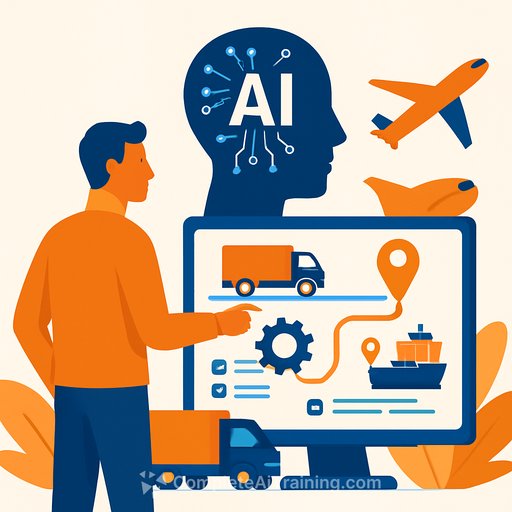
Two AI-driven tools stand out in TMS systems: route optimization and text recognition. Both have existed for decades but are now benefiting from machine learning advancements.
Route Optimization
Effective routing ensures loads reach their destinations quickly, safely, and efficiently. Traditional route planning uses static maps, but factors like traffic, weather, and time of day also influence travel time. AI models can process these variables to improve route decisions, especially for less-than-truckload (LTL) shipments that involve multiple stops.
Machine learning improves upon classic vehicle routing algorithms by incorporating real-time data such as local traffic patterns and seasonal changes. Many TMS route optimization tools integrate with large technology providers for data processing and analytics.
Text Recognition
Although digital documents are becoming more common, paper forms like bills of lading are still widely used. Manual data entry from these documents is slow, costly, and prone to errors.
Optical character recognition (OCR) converts scanned text into digital data and has been in use for decades. Modern OCR paired with AI now leverages large language models (LLMs) to understand context more accurately—for example, distinguishing zip codes based on surrounding text.
How Carrier Logistics Inc. Uses AI
Carrier Logistics Inc. (CLI) serves asset-based LTL motor carriers through its FACTS TMS platform. The company employs AI tools to optimize operations, gather shipping location details, assess debt risks, and automate document processing.
Automated Shipping Location Information
CLI’s LOC-AI tool automatically identifies details about new shipping and receiving locations. This helps fleets plan better by revealing if special equipment or timing restrictions apply without manual research.
AI Debt Risk Scoring
The accounts receivable risk analyzer uses AI to score the risk of customer accounts based on payment patterns. It detects changes in payment behavior that might signal potential defaults or bad debt.
Automated Data Entry
CLI integrates AI-powered vision and language models to extract and contextualize data from documents. This reduces reliance on manual entry and improves data accuracy within the TMS.
What Fleets Should Consider When Adopting AI
- Safety and Security: Prioritize data security and privacy. AI tools must follow strong encryption and authentication practices to protect sensitive fleet information.
- Beware of AI Hallucinations: Large language models can produce inaccurate or nonsensical outputs. Human oversight remains essential to verify AI-generated insights and decisions.
- Cost-Benefit Analysis: Understand the practical benefits and integration ease of AI tools before investing. Adoption depends on usability and clear value to users.
The Future of AI in Transportation
AI in transportation is still developing. One emerging concept is AI agents—systems of multiple language models working together to autonomously complete complex tasks. This could bring further automation to dispatch and other operations, but human intervention will remain critical for handling exceptions and disruptions.
AI holds potential to improve many aspects of fleet management, from route planning to risk assessment. For management professionals looking to deepen their AI knowledge and skills, exploring specialized courses can be a valuable step. Resources such as Complete AI Training’s latest AI courses offer relevant learning pathways tailored to different job roles and industries.
Your membership also unlocks: