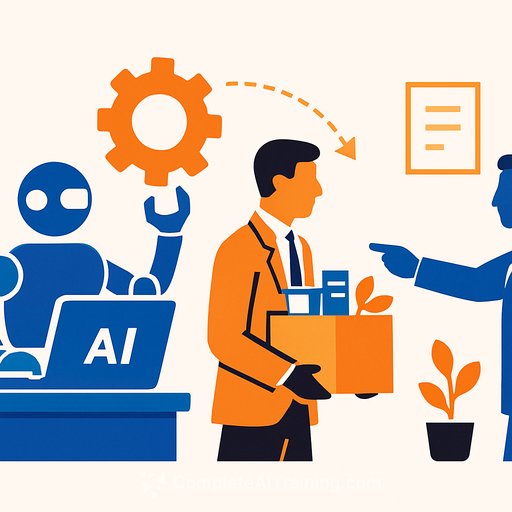
Silent Purges: How AI Is Quietly Driving Layoffs
Companies are cutting jobs in functions like content creation, operations, customer service, and human resources—areas where AI capabilities are increasingly strong. While layoffs are often labeled as reorganizations, restructuring, or optimization, experts believe AI is a key factor behind these workforce changes.
This shift is visible in recent moves by major firms. For example, Recruit Holdings, the parent company of Indeed and Glassdoor, announced layoffs affecting about 6% of its workforce. These cuts focus on research and development and “people & sustainability” teams, with CEO Hisayuki Idekoba pointing out that AI already writes roughly one-third of the company’s new programming code, a figure expected to grow.
Transparency vs. Euphemism
Unlike many companies that use vague terms to describe layoffs, IBM and fintech firm Klarna have openly acknowledged AI’s role in replacing some human jobs. Others prefer to frame workforce reductions with softer language to avoid negative reactions from employees, the public, and regulators.
This choice to use euphemisms is strategic. It helps companies manage perceptions and maintain morale during a sensitive transition. But the underlying reality remains clear: AI is reshaping job roles and headcounts.
What the Data Says
- The World Economic Forum’s 2025 Future of Jobs report finds that 41% of employers plan to reduce their workforce due to AI automation within five years.
- AI can automate 70%–90% of many processes, but the final steps often require human judgment.
- Many organizations are adopting hybrid human-plus-AI workflows, but when AI doesn’t fully deliver, they may quietly outsource or rehire internationally.
For HR professionals, this means preparing for a workforce that blends AI tools and human talent. It also calls for clear communication strategies that balance transparency with empathy.
What HR Can Do
- Recognize that AI-driven layoffs are becoming a common reality across industries.
- Develop plans to reskill and upskill affected employees to work alongside AI systems.
- Foster open conversations about AI’s role in workforce changes to maintain trust.
- Monitor AI adoption trends to anticipate future impacts on recruitment and employee management.
AI’s influence on jobs is growing, and companies that ignore this risk falling behind. HR leaders who adapt proactively will play a crucial role in guiding their organizations through this transformation.
For those interested in expanding their AI knowledge and skills, resources like Complete AI Training’s latest courses offer practical insights tailored to today’s workforce needs.
Your membership also unlocks: