AI Offers Counties New Paths for Hiring and Retention
Key Takeaways
Despite concerns about how artificial intelligence might disrupt the job market, workforce professionals remain optimistic about AI’s potential to improve public sector services and products. This topic was recently discussed by experts during a panel at the Community, Economic and Workforce Development Policy Steering Committee meeting.
Purposeful Use of AI in Public Sector
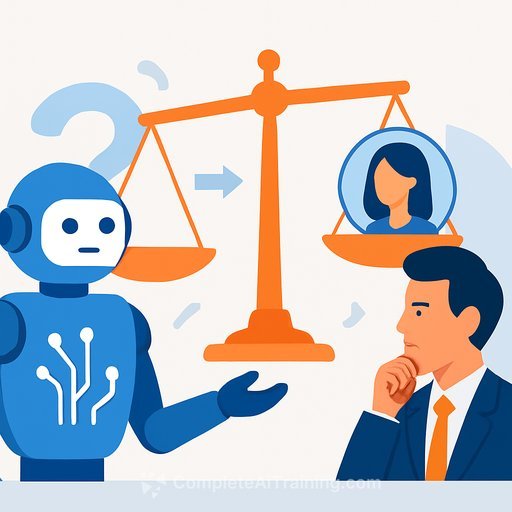
Amanda Bergson-Shilcock, a senior fellow at the National Skills Coalition, emphasized the need to approach AI with skepticism—not for technology’s sake, but to solve specific problems. She pointed out that job descriptions must evolve to reflect the changing nature of roles as automation increases. Public sector jobs often involve skills like problem solving, de-escalation, and relationship building—qualities that current AI tools don’t easily quantify.
Counties can improve hiring by making job descriptions accurate and clear, helping AI tools better match candidates to roles. This thoughtful approach can help close the salary gap with the private sector and improve recruitment outcomes.
Building Digital Resilience
As AI tools become common in government work, leaders should focus on helping employees develop digital resilience. Introducing new AI-driven systems gradually allows staff to adapt effectively, much like breaking in new equipment.
AI Streamlines Hiring but Requires Culture Change
Chandler Morse, vice president of corporate affairs for Workday, noted that private companies have sped up hiring and improved candidate matching with AI, reducing time to hire significantly. Public sector hiring often remains slow and opaque, frustrating applicants with lengthy processes, especially for federal jobs.
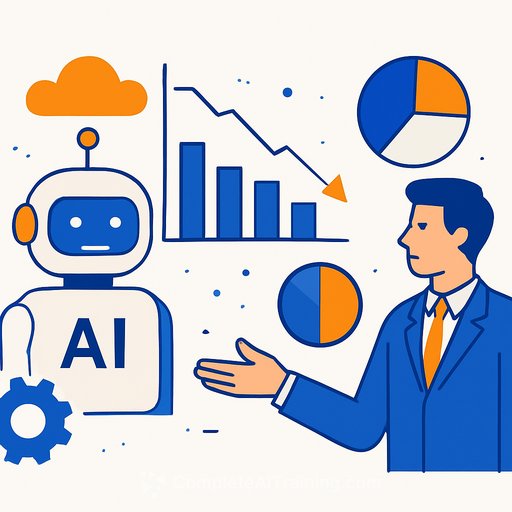
Counties adopting AI recruitment tools could see a 50% increase in recruiter capacity and faster hiring reviews. Internal hiring also benefits, reducing the need for external recruitment and easing employee mobility.
However, success depends on a cultural shift. HR teams and hiring managers must understand and embrace AI tools. Kate May, principal product manager for AI data insights at Granicus, highlighted AI’s role in capturing institutional knowledge from experienced employees—knowledge that’s often undocumented but crucial for continuity amid retirements and turnover.
Preserving Institutional Knowledge with AI
May described government as a “tribal tradition with no written history.” With fewer mentors passing down knowledge, AI can help document and utilize that expertise. Generative AI tools can make this information accessible, smoothing workforce transitions.
She also recommended adding younger staff to procurement teams to bring fresh perspectives and ensure sustainable technology adoption for the future.
Engaging Staff to Ease AI Integration
Involving a diverse group of employees when deciding how AI will be used increases buy-in and reduces fears of job loss. Bergson-Shilcock stressed not to assume AI will lead to massive layoffs. Instead, including users in the conversation raises satisfaction and trust.
May concluded with a clear focus: AI should make government work easier, not eliminate jobs. The goal is to improve services and create better experiences for both employees and the public.
Learn More About AI Adoption and Training
For HR and development professionals looking to deepen their AI skills and explore practical applications, Complete AI Training offers up-to-date courses tailored to various roles and industries.
Your membership also unlocks: