How DirectBooker Is Challenging Booking.com and Expedia with AI-Powered Hotel Booking
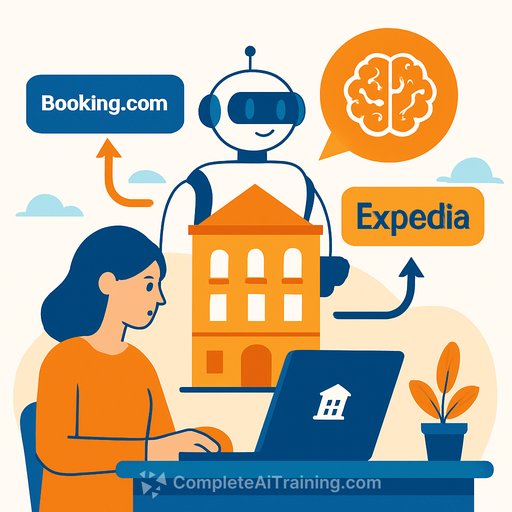
DirectBooker, a new startup backed by industry veterans like former Tripadvisor CEO Steve Kaufer and ex-Google Travel chief Richard Holden, is set to disrupt the traditional online travel agency (OTA) model. Their approach connects hotel listings directly to AI platforms such as ChatGPT and Google Gemini, aiming to reshape how travelers find and book accommodations without relying on OTAs like Booking.com and Expedia.
This shift addresses growing traveler demands for more direct, simpler, and personalized booking options. By eliminating OTAs—which often charge hotels hefty commissions—DirectBooker plans to offer both customers and hoteliers a more cost-effective and transparent alternative.
DirectBooker's Bold Plan to Transform Hotel Bookings
DirectBooker's concept is straightforward yet ambitious: remove the middleman by linking hotels straight to AI-powered platforms. Currently, most bookings funnel through OTAs such as Booking.com, Expedia, and Airbnb. While these platforms are well-established, they present challenges including high commissions, unclear pricing, and limited control over guest experience for hotels.
With DirectBooker, hotels can list rooms directly in AI interfaces, allowing travelers to get tailored recommendations based on criteria like location, price, and amenities. This not only enhances price transparency but also improves service quality and reduces dependency on OTAs. The use of AI enables personalized suggestions that traditional broad search algorithms may miss, improving the match between traveler needs and hotel offerings.
AI’s Growing Role in Hotel Booking
AI-powered hotel booking isn’t entirely new, but DirectBooker's direct integration with AI models like ChatGPT marks a significant step. AI can analyze a traveler’s preferences, history, and even mood to deliver highly customized suggestions instantly. For example, a user might ask, “Show me beachfront hotels in Goa under ₹10,000 a night,” receiving personalized results that include availability, pricing, and reviews.
Beyond booking, AI can enhance the overall travel experience by providing real-time updates on promotions, availability, and customer support. It can also recommend local dining and attractions, helping travelers build richer itineraries. As AI technology improves, platforms like DirectBooker are expected to offer more seamless and comprehensive travel solutions.
Facing Off Against Established OTAs
The biggest hurdle for DirectBooker is competing with entrenched OTAs such as Booking.com, which have built strong brands, customer trust, and global reach over many years. Convincing hotels to bypass these platforms means overcoming fears of losing exposure and international market access.
Sanjay Vakil, DirectBooker's CEO and co-founder, acknowledges the challenge: “The default is going to be for the OTAs to win again.” However, with his background in product management at Google Travel and Tripadvisor, Vakil is focused on creating a solution that benefits both hoteliers and travelers by offering a transparent and affordable alternative with enhanced user experience.
Implications for the Tourism Industry
DirectBooker’s emergence could push hotels to rely less on OTAs, cutting costs and potentially lowering prices for travelers. AI-driven booking systems will make it easier for customers to find accommodations that precisely fit their needs, increasing competition and forcing OTAs to improve their services.
Looking ahead, the integration of AI in booking systems may deliver more personalized offers and support sustainable travel choices, such as eco-friendly lodging and local initiatives. This could help hotels better meet demands for responsible tourism while enhancing customer satisfaction.
Potential Risks and Challenges
Despite its promise, DirectBooker’s AI-based model raises concerns. Privacy is a major issue; extensive use of traveler data requires strict safeguards to protect personal information. There’s also the risk that AI-driven recommendations might limit exposure to diverse travel options, narrowing traveler choices.
Additionally, large hotel chains might resist shifting away from OTAs due to existing partnerships and established business practices. Building trust and demonstrating clear benefits will be essential for wider adoption of this new model.
Conclusion: A Shift Toward More Direct and Personalized Booking
DirectBooker aims to redefine hotel booking by pairing AI technology with direct hotel partnerships. This approach promises faster, clearer, and more tailored travel experiences while offering hotels a chance to reduce commission costs and regain control over customer interactions.
Though challenges remain, the experience of its founders and the evolving needs of travelers suggest this startup could open doors to a more transparent and flexible booking future. For hospitality professionals, keeping an eye on such innovations is key to staying competitive and meeting modern traveler expectations.
For those interested in learning more about how AI tools are transforming industries including hospitality, check out comprehensive resources and courses at Complete AI Training.
Your membership also unlocks: