How HR Can Tackle Algorithmic Gender Bias
When technology works for women, it works better for everyone. This simple truth is often overlooked in the development and deployment of AI tools in the workplace.
For HR leaders, AI promises speed, objectivity, and consistency. But can AI really be trusted to be fair? Increasing research says no—especially when it comes to women. Reports from Unesco and UN Women reveal that AI tools often use male-coded language for leadership descriptions, rank women lower in hiring algorithms, and penalize career breaks more harshly when taken by women.
One study from the London School of Economics asked ChatGPT to write performance reviews for two identical employees named John and Jane. John was described as a “strategic thinker” and “valuable team player,” while Jane “needs additional training.” The only difference was their names.
This bias happens because AI systems learn from data that reflects existing workplace inequalities. HR leaders must act to keep AI fair. Here are five practical steps to tackle gender bias in AI:
1. Train Your Teams
AI literacy is essential. Your teams need to understand how algorithms work, what biases can arise, and how to manage data inclusively. This is crucial when handling historical datasets that may contain outdated or discriminatory patterns.
2. Create Clear Feedback Channels
Employees should have a way to challenge AI-generated outcomes—whether it’s a hiring score, performance review, or flagged risk factor. This is especially important for women returning from maternity leave, who often face unfair penalties for career breaks.
3. Audit Your Algorithms
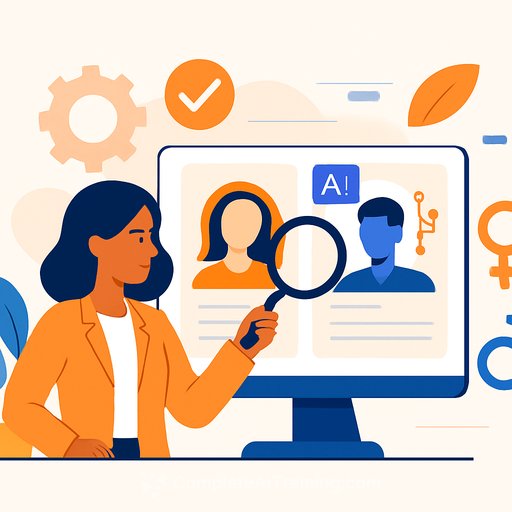
Fairness cannot be assumed. Regular audits help uncover hidden biases, especially in recruitment, promotions, and performance reviews. Look for patterns: Are women getting lower scores? Less actionable feedback? Are they overlooked for advancement?
4. Demand Transparency from Vendors
Many HR systems now include AI components without clear explanations of how decisions are made. Choose tools with explainable algorithms and clear documentation. If your team can’t understand how outcomes are reached, spotting and challenging bias becomes almost impossible.
5. Involve Diverse Voices in Procurement and Review
Only 22% of AI researchers and 8% of chief technology officers are women, according to PwC. Male-dominated development teams miss gendered blind spots, causing AI systems to fail in representing half the workforce. Make sure your procurement and implementation teams reflect your workforce diversity.
Unchecked AI bias can silently shape workplace culture, reinforce stereotypes, and block talented women’s progress. But it doesn’t have to be that way. With conscious design and active oversight, AI can support fairness.
HR leaders have a unique opportunity to embed fairness into AI systems and create workplaces where everyone thrives. When technology works for women, it works better for everyone.
Your membership also unlocks: