IBM Embraces AI, Reduces HR Roles
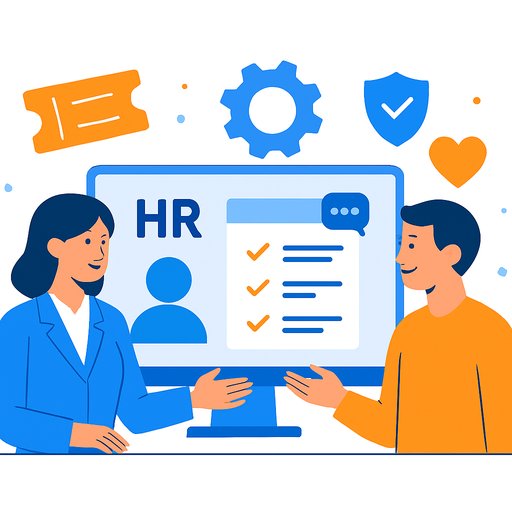
IBM's CEO Arvind Krishna announced that the company has implemented AI agents to automate tasks once managed by hundreds of HR professionals. This shift has enabled IBM to move resources toward hiring in software development, sales, and marketing. The move reflects a broader trend of organizations reassessing workforce strategies as AI technologies become more integrated into business processes.
AI agents are autonomous tools that handle tasks like spreadsheet analysis, research, and email drafting. While widespread layoffs due to AI haven't become common across all industries, many leaders are reconsidering hiring plans for roles vulnerable to automation. The IT sector has seen workforce reductions as AI adoption grows. According to recent data, over 19 million jobs in the U.S. face high risk of displacement by automation, with nearly 20% of roles in business and financial operations, including HR, at high risk.
IBM’s Workforce Realignment
At IBM, the use of AI has led to realignment rather than overall job loss. Krishna shared that total employment at IBM has actually increased. The AI implementation frees up investment for roles that require complex problem-solving, interpersonal skills, and customer interaction—areas demanding critical thinking beyond repetitive tasks.
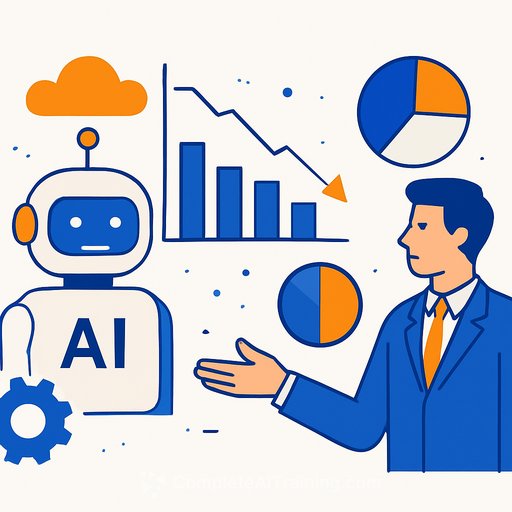
In 2023, IBM paused or slowed hiring in fully automatable roles, projecting that up to 30% of certain job functions might eventually be replaced by AI. For example, IBM's AskHR AI agent now handles 94% of routine HR inquiries like vacation requests and payroll questions, while the AskIT agent has cut internal IT service requests by 70%. These examples highlight AI's growing role in improving service efficiency.
‘Not the End of HR’
IBM’s HR reductions primarily affected roles focused on repetitive tasks. Nichol Bradford, an AI and HR expert, points out this doesn’t signal the end of HR but rather a shift. AI will reduce specialization in HR, producing more high-level generalists who focus on strategic leadership, coaching, and career development—areas often neglected due to daily administrative burdens.
While AI excels at routine tasks, human professionals remain essential for strategic partnership and unlocking employee potential. Adaptability, creative thinking, and leadership that fosters change and learning will be critical skills for HR practitioners moving forward.
The Impact on HR Professionals
IBM’s approach highlights the urgent need for HR to balance AI integration with talent development and workforce agility. As AI transforms operations, HR’s role in guiding change and workforce planning becomes more important. Effective HR teams will act as strategic business partners, collaborating with leaders to analyze tasks and workflows, redesign jobs, and manage transitions.
HR may also take responsibility for the ethical use of AI within organizations. Since HR oversees the employee lifecycle, it will need to address employee concerns, provide guidance, and motivate teams during AI-driven changes. Additionally, managing AI agents and their interaction with employees may become a new HR function, requiring coordination with IT.
Combining AI with Human Intelligence for Success
As AI reshapes jobs, SHRM advocates for an approach that pairs artificial intelligence with human intelligence to maximize return on investment and build resilience. Automation brings efficiency, but human ingenuity remains necessary to unlock lasting value. This balance ensures technology adoption supports long-term organizational success and workforce adaptability.
HR professionals should focus on developing skills that complement AI and reinforce their role as strategic leaders. For those interested in expanding their AI knowledge and skills relevant to HR, Complete AI Training offers practical courses designed to prepare professionals for the evolving workplace.
Your membership also unlocks: