Your Next Move
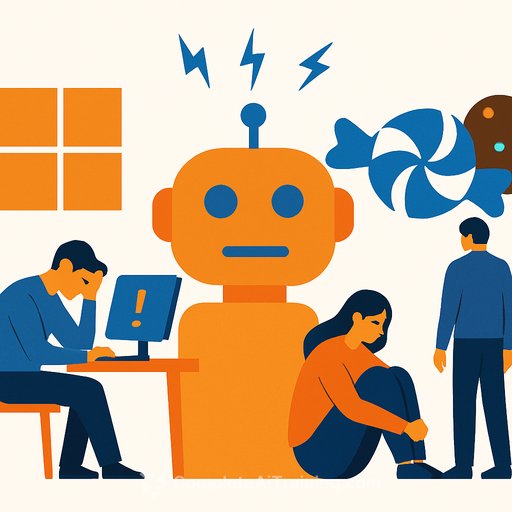
Microsoft and the Candy Crush Makers Just Gave Masterclasses on How Not to Use AI
AI is disruptive technology. Many workers worry they’ll be replaced by AI systems. At the same time, AI can save workers time and boost productivity. Some leaders are pushing teams to cut costs and increase efficiency using AI.
Recent events in the gaming industry highlight a critical point: how companies treat their staff during AI-driven changes matters just as much as the technology itself.
Take King, the company behind Candy Crush. Earlier this month, King announced layoffs affecting about 200 employees, mostly hitting middle management and UX and narrative copywriting roles. Sources say some employees speaking out about the layoffs have been targeted by HR.
What makes this troubling is that many of those laid off are being replaced by AI tools that the employees themselves helped build and train. One insider called this “absolutely disgusting,” saying the company prioritizes efficiency and profits despite stable revenues of roughly $1.45 billion yearly since 2021.
The insider criticized leadership for cutting developers instead of adding more hands-on staff and suggested the company has “more leadership” than necessary. This reveals a disconnect between management decisions and the human impact on employees.
Meanwhile, at Microsoft’s Xbox division, AI use also sparked controversy. After announcing layoffs, Xbox posted new job openings seeking experts in device drivers and GPU performance. The post included an AI-generated illustration of a female worker at a keyboard, which many saw as disrespectful to skilled professionals in computer graphics.
This move fueled backlash on social media, with critics pointing out the irony of layoffs followed by hiring ads featuring AI-generated images instead of human-created art.
Lessons for HR Professionals
- Be transparent: If AI-driven efficiency leads to layoffs, acknowledge it openly. Pretending otherwise damages trust.
- Value your people: Recognize the contributions of employees who build AI tools, and consider the morale impact of replacing them with AI.
- Respect expertise: Avoid gestures that undermine professional skills, such as using AI-generated content in ways that seem dismissive.
- Balance efficiency and humanity: Cost-saving measures shouldn’t come at the expense of employee dignity and workplace culture.
For HR leaders navigating AI integration, the key is clear communication and empathy. How you handle AI-driven change affects your workforce’s morale and the company’s reputation.
If you’re involved in managing AI adoption or want to improve your team’s skills in this area, consider exploring relevant AI training resources to stay informed and prepared. For example, check out AI courses designed for various job roles that can help HR professionals better understand AI’s impact in the workplace.
Your membership also unlocks: