Introducing AI To Teams Who Fear Change
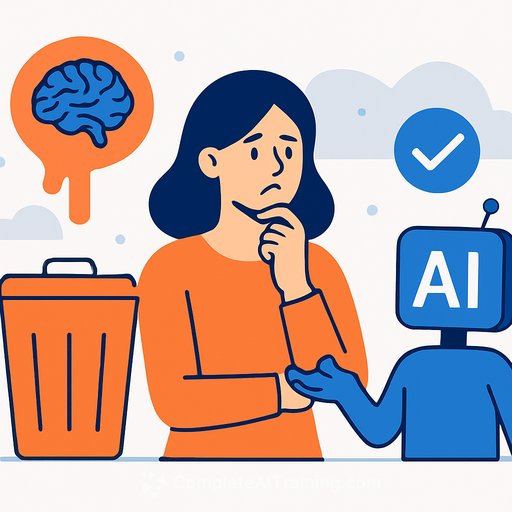
Whenever AI comes up in team meetings, the question often is: Will I be replaced? This fear is understandable. AI can perform many tasks faster, tirelessly, and at scale. Instead of ignoring this concern, it’s better to address it with honesty, empathy, and a clear explanation of what AI truly represents.
AI isn’t about replacing people; it’s about co-intelligence. The focus should be on intelligent collaboration rather than substitution. For example, in software development, AI can handle repetitive tasks like writing unit tests or automating code reviews. This frees engineers to tackle more complex problems. The real benefit lies in boosting human ability, not eliminating it.
Reframe The Narrative: Show, Don’t Tell
Changing how people view AI starts with how we talk about it. Avoid describing AI as a magical or all-knowing system. Instead, present it as a tool—a powerful one, but just a tool that helps us reach meaningful work faster.
Leading with small, practical examples works best. When leaders across departments share how AI saved time, improved accuracy, or sparked creativity, it eases doubts. People need to see real results before they’re ready to adopt AI. That’s why a gradual rollout with clear goals and measurable outcomes is essential. Let teams experiment and learn at their own pace.
The Power Of Transparency
Transparency is crucial when introducing change. AI initiatives should start from leadership but include full participation from all levels. No one should feel like AI is a black box. Everyone must understand what is being implemented, why it matters, how success will be measured, and how it might affect their daily work.
Some industries have regulations around AI, which naturally encourages documentation, updated policies, and shared objectives. Even when not required, setting visible targets helps. For example:
- Reducing customer service resolution time by four hours
- Improving satisfaction scores on email support by 50%
These clear goals give teams something concrete to work toward and show how AI adoption supports business results. When tied to outcomes like revenue or bonuses, teams have a direct incentive to embrace and optimize AI tools.
A Real-World Example
One effective AI integration started with a single code repository. A client was hesitant about AI, so instead of a full rollout, they piloted it on a less critical feature. Developers used AI to generate unit tests, suggest code completions, and automate reviews.
The key was structure: the team tracked AI performance against previous workflows, gathered feedback, and adjusted the setup. Resistance, especially from senior members, was expected. But as benefits and momentum grew, attitudes shifted. Adoption is an ongoing process. Letting people experience AI’s advantages firsthand while giving them room to adapt made all the difference.
Make It A Team Effort
Ownership beats directives. AI adoption shouldn’t be a top-down mandate. Involve your teams early—during planning, goal setting, and tool selection. Ask what slows them down and review past challenges. The people closest to the work often know where AI can help most.
Early involvement reduces resistance and builds commitment. Teams become partners in change instead of passive recipients.
Start Small And Measure Well
Confidence grows from early wins, but only if you track the right metrics. That’s why measurement is essential at every stage. You must prove improvements and identify where AI falls short.
In software, useful metrics include:
- Code coverage improvement
- Time to deploy
- Defect rates after release
- Frequency of code rework
In customer support, AI-powered prompts asking customers if their issue was resolved provide valuable feedback. This not only refines the AI but also builds trust. Every AI rollout should be monitored with metrics aligned to both business goals and team priorities. Visible progress fuels momentum.
Final Thoughts
AI will continue to develop, and so will we. Leadership isn’t just about deploying tools—it’s about shaping mindsets. Lead with empathy, be transparent about impact, and design adoption in partnership with your teams.
Not everyone will embrace AI immediately. Change is uncomfortable. But a thoughtful, phased approach focused on co-intelligence can help teams move from fear to curiosity, and from resistance to results.
Your membership also unlocks: