How AI is Changing the Travel Industry: Moving from AI-Curious to AI-Native
The travel industry is going through a major shift as artificial intelligence (AI) changes how companies operate and interact with customers. AI is improving the travel experience by offering personalized recommendations and making booking systems smarter. Still, many travel businesses are figuring out how to fully adopt AI for long-term success.
At the 2025 Skift Data + AI Summit in New York, experts Vivek Bhogaraju and Mayank Gandhi shared insights on the challenges and benefits of implementing AI in travel. They explained how companies can move from being simply curious about AI to becoming truly AI-native, transforming tourism for customers and businesses alike.
The Move to AI in Travel
Travel is a fast-moving industry influenced by changing consumer habits, global disruptions, and new digital tools. Travelers now expect more personalized, smooth, and easy experiences. To stay competitive, travel companies must embrace AI.
AI can improve efficiency and customer service, opening new growth possibilities. But adopting AI fully requires more than money — it needs a change in company culture and systems.
Creating an AI-Friendly Culture from the Ground Up
Bhogaraju and Gandhi emphasize that the first step to becoming AI-native is encouraging experimentation within the company. Travel firms should foster a mindset open to risk and innovation, focusing on learning rather than quick wins.
Start with small AI projects that address specific problems or opportunities. For example, chatbots can provide fast customer support, and data analytics can reveal traveler behavior to better meet customer needs. AI tools need time, strategic planning, and a clear understanding of existing technology gaps.
Partnering with reliable tech providers helps ensure successful AI integration. It’s about building a solid foundation before scaling up.
How AI Enhances Tourism Innovation
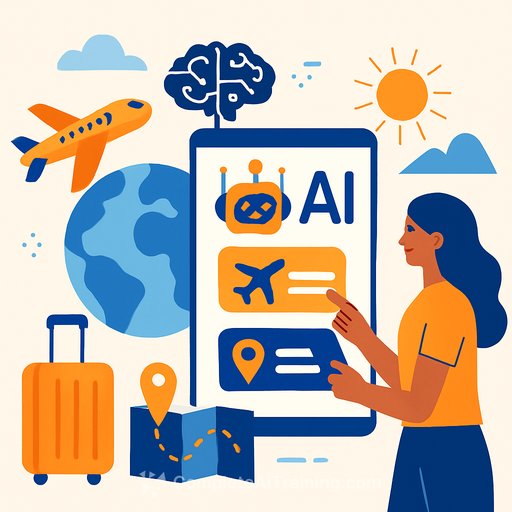
AI can personalize every step of a traveler’s journey. From booking flights and hotels to suggesting activities, AI analyzes data to predict preferences and offer relevant options.
Personalized apps can recommend attractions and dining based on traveler tastes. AI also improves booking by giving real-time updates on availability, prices, and delays, helping travelers make informed choices.
Operationally, AI automates tasks like handling queries, managing payments, and updating service status (check-ins, baggage tracking). This leads to smoother operations, happier customers, and lower costs.
Investing in AI for Long-Term Success
Adopting AI isn’t a quick fix. It requires investing in the right technology, skilled people, and a supportive framework. AI solutions often need tweaking, so patience and flexibility are key.
Companies that build a strong AI ecosystem now will be better positioned to lead in the future with efficient operations and stronger customer connections.
Diverse teams across tech, marketing, operations, and customer service are essential to align AI with business goals.
Challenges When Integrating AI
Despite its benefits, AI adoption comes with hurdles. AI technology can be complex and needs large data sets. There’s pressure to prove ROI quickly. Data privacy is also a concern, with customers wanting control over their information.
Resistance from employees worried about job security is common. Bhogaraju and Gandhi stress the need for a collaborative approach where AI supports human roles instead of replacing them.
Looking Ahead: AI-Native Travel Companies
Future leaders in travel will be those who fully embed AI into their operations. The focus should be on long-term transformation, not short-term gains.
As AI advances, it will enable more personalized experiences and streamlined operations. Travel companies must view AI as a continuous investment to build smarter, more efficient systems that benefit both customers and businesses.
Conclusion: Becoming AI-Native in Tourism
Moving from AI-curious to AI-native requires commitment to innovation, teamwork, and investment. AI will be central to the travel industry’s future.
Companies that embrace AI will find new growth opportunities and improve travel experiences for customers. As Bhogaraju and Gandhi put it, “AI is not just a tool—it’s the future of the industry.” Those who make this shift will lead the next era of travel, creating smarter, more connected, and customer-focused services.
Your membership also unlocks: