Schools Using AI to Personalise Learning, Finds Ofsted
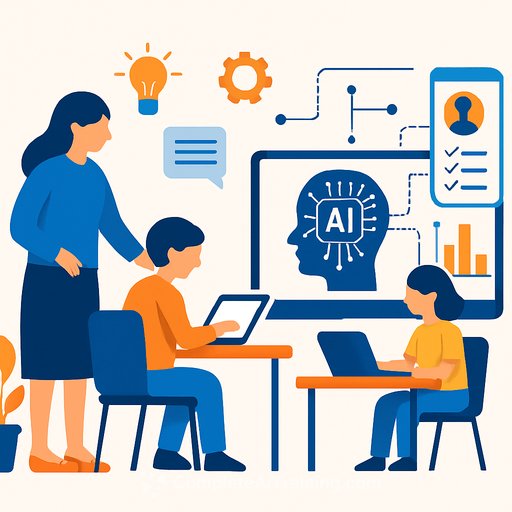
Some UK education providers have quickly embraced artificial intelligence (AI), using it in ways that directly benefit both teachers and students. A recent report from Ofsted reveals that personalising education is a key focus where AI is making a noticeable difference.
AI is helping schools support pupils with additional needs, including young carers and refugee children learning English. For example, one school uses AI to translate materials for students whose first language isn’t English, while another creates podcasts from lessons to help young carers catch up on missed work.
Beyond accessibility, AI tools are being used to mark work and provide personalised feedback. This not only saves teachers time but also offers students specific guidance on their progress and areas to improve.
Government Push for AI in Education
The UK government is actively promoting AI adoption in education. Education Secretary Bridget Phillipson outlined plans to use AI to reduce teachers’ workload, improve education quality, and strengthen student-teacher relationships.
Research by the Department for Education shows that while half of teachers already use generative AI tools, many remain unsure how to incorporate AI effectively. Concerns about risks also persist among educators.
Despite these concerns, the government is investing £4 million to develop AI tools aimed at easing tasks like marking and assessment. The Department for Education emphasises that when used responsibly, AI can help every student reach their potential, regardless of background.
Practical Uses and Challenges of AI Adoption
Ofsted’s research highlights common uses of AI in schools, including automating lesson planning, grading, and creating teaching materials. Some schools have developed their own AI chatbots and are exploring how to integrate AI into their curriculum.
Implementing AI is not straightforward. It requires collaboration across school departments and a clear strategy. Schools are adopting AI step-by-step, with teachers and students gradually adjusting to new technologies.
Most schools have an "AI champion"—someone knowledgeable about AI who leads efforts and encourages adoption among staff. However, there is no standard approach to which AI tools to use, reflecting the varied needs and stages of adoption across schools.
Ensuring Effective AI Integration
Successful AI adoption depends on strong leadership commitment. Schools need designated individuals to introduce and monitor AI’s impact on teaching and learning.
Support and clear guidance for teachers are crucial. Pressuring staff without adequate training can hinder progress, so transparency about where and how AI is used is essential.
Ofsted notes a lack of clear evidence on AI’s impact on educational outcomes. Without clear metrics, it’s difficult to measure success or identify areas for improvement. Leaders acknowledge that developing comprehensive AI strategies and evaluation methods remains a work in progress.
Final Thoughts
AI presents promising opportunities for personalising education and reducing teacher workload, but its integration requires careful planning and ongoing support. Schools adopting AI are learning as they go, adjusting tools and practices to fit their unique contexts.
For educators interested in exploring AI further, training and resources are available to build relevant skills. Platforms like Complete AI Training offer courses designed to help professionals apply AI effectively in their roles.
Your membership also unlocks: