Williams-Sonoma's Strategic Use of AI and Sourcing
Williams-Sonoma President and CEO Laura Alber recently shared insights on leveraging artificial intelligence to enhance customer experiences while managing tariff-related challenges. Her approach combines innovation with strategic sourcing, enabling the company to adapt effectively in a complex economic environment. These strategies offer practical lessons for executives looking to balance technology investments with supply chain resilience.
Using AI to Personalize Customer Engagement
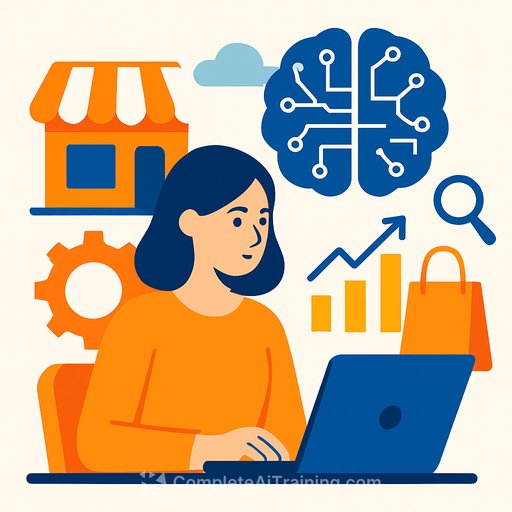
Alber described AI as a practical tool that streamlines operations and improves personalization. Instead of treating AI as a buzzword, Williams-Sonoma applies it to anticipate customer needs and simplify the shopping journey. This focus on data-driven automation helps reduce friction from browsing to purchase, boosting customer satisfaction and operational efficiency.
While details on specific AI technologies were limited, the emphasis on predictive analytics and personalized recommendations is clear. These tools analyze large data sets to suggest products, optimize inventory, and even forecast trends. For a company managing multiple brands like Pottery Barn and West Elm, such capabilities are essential for addressing diverse customer preferences.
AI also enhances customer service through automated support systems like chatbots, freeing human staff to handle complex interactions. Alber’s comments highlight a strategic shift to AI as a core component of both customer experience and operational excellence.
Addressing Tariff Pressures with Flexible Sourcing
Alber acknowledged the company’s proactive stance on tariff impacts, especially those linked to recent U.S. policies. Williams-Sonoma is actively diversifying its supply chain to reduce reliance on high-tariff regions like China. This approach helps maintain cost control and value for consumers.
Significant progress includes moving much of the upholstery manufacturing and assembly to the United States. For example, Rejuvenation, a fast-growing Williams-Sonoma brand, assembles its products in Portland, Oregon. This local production supports employment and lowers tariff exposure, contributing to overall cost efficiency and quality assurance.
Balancing Innovation with Economic Realities
Williams-Sonoma’s dual focus on AI-driven customer engagement and diversified sourcing illustrates how technology and supply chain strategy can work together to sustain growth. Investing in domestic manufacturing and AI tools shields the company from global trade risks while enhancing brand appeal.
For executives, this offers a practical model: combining technology investment with supply chain flexibility can improve resilience. Alber’s leadership shows that adapting to economic pressures requires both innovation and pragmatic operational choices.
Retailers facing similar challenges can consider how predictive analytics and local sourcing might improve their own strategies, creating smoother customer experiences and more stable cost structures.
Your membership also unlocks: