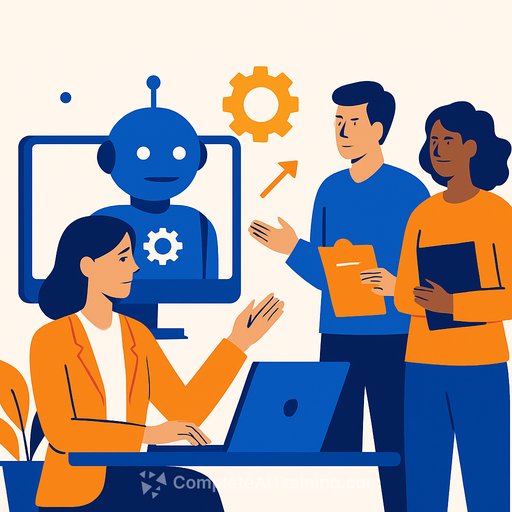
The Role of HR in the Age of AI
According to the Coursera Global Skills Report 2025, only half of employees feel their industries are fully tapping into generative AI. This gap calls for HR to take charge—not just by building skills but also by changing how AI is perceived at work.
Harshavardhan Kundalkar, Chief People Officer at Daimler Truck Innovation Center India (DTICI), sees AI as the next major human shift. “Just like the agricultural, industrial, and digital shifts shaped humanity, AI is now driving a new wave of change,” he says.
While some fear AI threatens jobs or ethics, Kundalkar stresses that AI can boost human potential. HR must guide this change by answering the key question: “What’s in it for all of us?” Using real examples, HR can demonstrate how AI enhances human intelligence, productivity, and decision-making.
Building AI literacy is critical. Kundalkar compares it to digital literacy a decade ago. HR should lead upskilling efforts for employees at every level. He also urges HR to imagine future roles like prompt engineers, AI ethicists, and human-AI interaction designers.
HR holds responsibility for creating fair, transparent, and trustworthy AI policies. Above all, HR must stay an empathetic anchor—making sure technology serves people, not the other way around.
Transforming HR Itself: From Administrator to Strategist
Shweta Mohanty, Head of Human Resources at SAP India, highlights how AI is reshaping HR’s own function. “AI is at the core of HR’s digital transformation,” she says. The global market for AI in HR is expected to reach $14.08 billion by 2029, growing steadily.
AI can streamline processes, improve employee experience, and boost efficiency. But many still miss its strategic potential. HR is moving beyond automating admin tasks to becoming a true business partner—changing how organizations recruit, onboard, and engage talent.
To get the most from AI, Mohanty stresses clear communication and education. Making AI simple and showing practical uses help remove skepticism and confusion.
Building Capability and Managing Change
Closing the skills gap requires targeted reskilling and upskilling based on workforce trends. But beyond skills, HR must foster adaptability and innovation. Some key steps include:
- Early employee involvement: Engage staff early to build trust and acceptance.
- Creating AI champions: Empower employees from different teams to promote AI adoption.
- Supporting at-risk roles: Manage transitions with upskilling, job redesign, and alternative career paths.
By focusing on these actions, HR can make AI a positive force, preparing both people and organizations for what’s ahead.
AI as a Native Mindset
At EPAM Systems, AI isn’t a side project—it’s part of everyday work, growth, and leadership. Through programs like ProductX and EngX and tools such as Telescope AI, EPAM builds strong AI fluency.
Larry Solomon, SVP and Chief People Officer at EPAM, says they’ve trained over 9,000 engineers in AI software development. The goal is to move beyond AI-first thinking to an AI-native mindset.
HR plays a key role by helping people understand their current skills, future growth, and how AI fits into their careers. Solomon believes HR should lead by example—using AI in learning, leadership, and performance measurement to build a workforce ready for AI.
As AI continues to reshape work, HR leaders have a clear opportunity and responsibility. By focusing on education, future role design, and inclusive, AI-literate cultures, HR can guide their organizations and people into a new era of potential.
Your membership also unlocks: