
AI news ·
HSS researchers use machine learning to identify long-term pain risk after knee replacement surgery
Hospital for Special Surgery researchers used AI to predict chronic knee pain after surgery and analyze what patients search online about anesthesia. A protein called TARC emerged as a key pain predictor across four machine learning models.
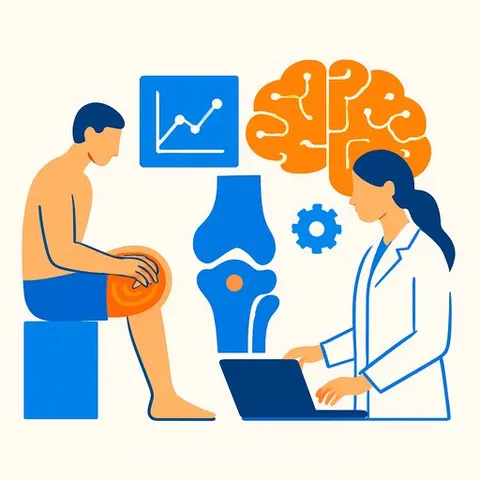
Hospital Researchers Use AI to Predict Surgical Pain and Understand Patient Concerns About Anesthesia
Researchers at Hospital for Special Surgery presented two studies at the American Society of Regional Anesthesia and Acute Pain Medicine annual meeting that apply machine learning to surgical outcomes and patient education.
The first study identified biological markers that predict chronic pain after knee replacement surgery. One in five patients experiences significant knee pain months after total knee arthroplasty, affecting their daily activities and quality of life.
Machine Learning Identifies Pain Risk Factors
Researchers analyzed data from 160 knee replacement patients using four machine learning models to identify which factors predict persistent postoperative pain-defined as pain above four on a zero-to-10 scale that severely impacts daily activities three to six months after surgery.
The analysis examined 318 clinical and biological characteristics. A protein called TARC emerged as a consistent predictor across all four models. Elevated TARC levels immediately after surgery correlated with chronic pain six months later.
Other top predictors included higher preoperative pain scores, longer tourniquet use during surgery, and elevated levels of other inflammatory cytokines in the blood immediately after surgery.
Why this matters for educators: Understanding how AI identifies hidden patterns in medical data-including unexpected biomarkers like TARC-demonstrates practical applications of machine learning in healthcare. This research shows how algorithms can surface findings that traditional statistical approaches might miss.
The researchers used XGBoost, a machine learning algorithm, as their most accurate model. They emphasized that additional research is needed before these findings can guide clinical decisions about pain management.
AI Analysis of Patient Search Behavior Informs Clinical Conversations
The second study analyzed what patients search for online about regional anesthesia. Researchers entered seven search terms into Google and collected the top 200 questions from Google's "People Also Ask" feature, totaling 1,400 question-and-website combinations.
Patients most frequently asked about risks and complications, differences between anesthesia techniques, technical details, and whether sedation is necessary. Many patients were unaware they could remain awake during peripheral nerve blocks.
The AI analysis categorized 55 percent of websites as academic, 19 percent as government, and 11 percent as public or social media sources. Government and academic websites scored highest for accuracy; medical practice websites scored lowest.
The research team plans to update patient education materials based on these findings and potentially offer materials in multiple languages and reading levels.
For educators: This study illustrates how AI can systematically analyze large datasets-in this case, search behavior-to identify gaps between what patients want to know and what they're being told. The methodology shows a practical application of AI for improving communication and education in healthcare settings.
Learn more about AI for Healthcare and AI Research Courses to understand how these tools are reshaping medical practice.