Human-Centred AI: Turning Performance Data into Dialogue
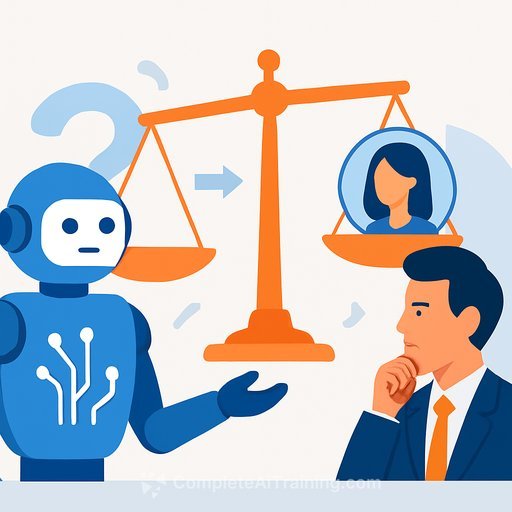
Artificial Intelligence tools are increasingly common in workplaces to evaluate employee performance. These systems track productivity and predict future potential, but concerns about fairness and transparency remain. The key is to build AI with principles like clarity and contextual understanding, ensuring companies communicate openly about the metrics they use.
Introduction
Once upon a time in the kingdom of Pratham Garh, King Raja Dutta Dev sought objectivity in judging his courtiers. Opinions clashed—soldiers were lazy according to the commander, poets felt overworked, and the royal astrologer was accused of idleness. To solve this, the king called upon Acharya Algorithm Anand, who created RajBot 1.0, a magical machine tracking every action. Unfortunately, the results were chaotic: the court jester was flagged for doing his actual job, the chef for stirring too much, and the victorious general scored low due to missed meetings.
The king realized the system needed a human touch. Together, they rewrote RajBot’s code with four guiding principles: Clarity, Context, Compassion, and Consent.
Algorithms Meet Humanity
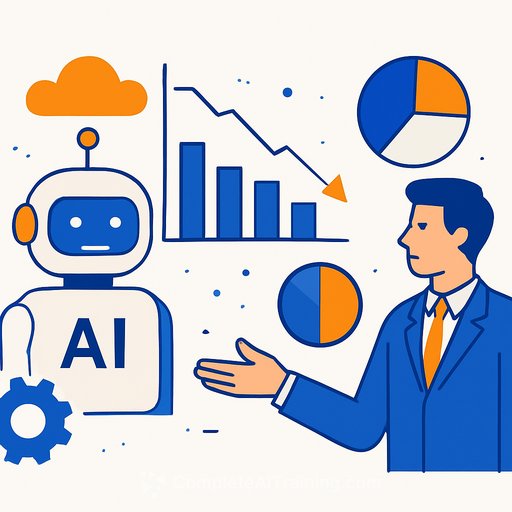
AI now shapes careers by assessing productivity, predicting potential, and even analyzing emotions through sentiment analysis. Promotions and hiring increasingly rely on data-driven decisions. Yet, many employees find these systems confusing and opaque. For example, AI may score asynchronous interviews or video assessments without human follow-up, leaving candidates unsure if their answers or background lighting influenced the result.
Without transparency or empathy, AI risks reducing people to mere data points. The solution isn’t removing AI, but designing systems that combine analytical power with fairness, dignity, and trust.
The Problem: When Metrics Turn Into Micromanagers
Many organizations deploy AI tools faster than they can ensure accountability. From tracking keystrokes to interpreting Slack emojis, companies try to pinpoint productivity or maskers of productivity. Consider Amazon’s warehouse employees timed between scans or Meta engineers rated by lines of code. Sentiment analysis may misread frustration or humor as negativity, impacting careers unfairly.
Algorithms trained on historical data can unintentionally reinforce biases related to gender, age, or culture. This hyper-monitoring erodes trust, stifles creativity, and creates an oppressive atmosphere—exactly the opposite of what performance analytics should do. Leaders must rethink what, how, and why they measure.
The Solution? Give AI a Soul. Or at Least a User Manual with Feelings!
Ethical AI means embedding four essential principles that recognize employees as people, not just data points:
- Transparency: Clearly communicate what’s tracked and why. Employees should never be surprised by hidden metrics or secret leaderboards.
- Contextuality: Measure roles according to their nature. Comparing a graphic designer to a logistics manager is pointless—different jobs need different metrics.
- Actionability: Provide specific feedback. Instead of vague comments like “low collaboration,” suggest concrete steps, such as “schedule a brainstorming session this week.”
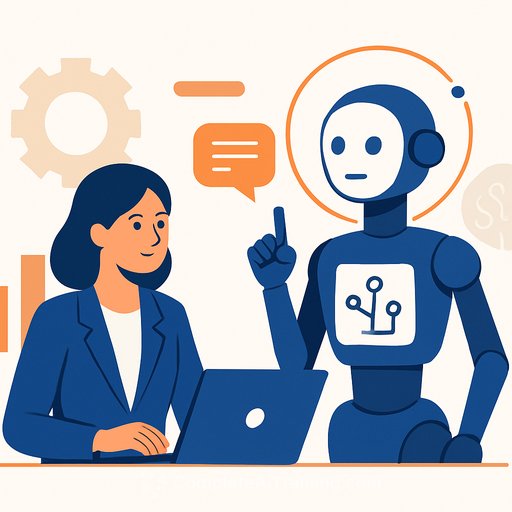
- Human-centricity: Use data to start conversations, not end them. Allow employees to explain anomalies or circumstances behind scores.
Following these principles builds trust, motivation, and genuine engagement.
In Practice: When Performance Tools Don’t Feel Like Digital Stalkers
Imagine a product management team at a busy SaaS company. Instead of overwhelming employees with generic dashboards, they introduce a performance tool that’s ethical and human-centred. The tool is transparent about tracking project timelines, collaboration frequency, and stakeholder feedback—not awkward Zoom moments.
It respects context, comparing UX designers to UX designers, not to project managers. Instead of raw data dumps, it offers personalized nudges like “avoid scheduling seven meetings on Mondays” or “consider turning this Slack thread into an email.” Employees opt in for deeper insights willingly.
As a result, the team feels supported, not surveilled. Productivity rises because the tool coaches rather than polices.
How to Get There (Without Sending Your IT Team Into Existential Crisis)
- Build Cross-Functional Teams: Bring together HR, data scientists, ethics experts, and even a philosopher to design better AI tools.
- Run Fairness Audits: Regularly test algorithms for bias. Bias doesn’t announce itself.
- Design for Interpretability: Use metrics that can be explained simply. Avoid jargon and confusing visuals.
- Embed Feedback Loops: Ask employees if the tools help or confuse them, then listen and adapt.
- Respect Consent: Let employees control what data is shared. No one wants mood swings graphed without permission.
Final Thoughts: Making Data Less Creepy, More Caring
Measuring performance is necessary, but treating people like robots is not. AI systems should understand context, invite dialogue, and support growth. The best workplaces are built on trust, genuine connection, and a little humor—not just data.
For HR professionals interested in ethical AI implementation and training, resources like Complete AI Training offer courses that focus on practical, human-centred AI applications.
Your membership also unlocks: