IBM Laid Off 8,000 Employees to Replace Them with AI—Then Had to Rehire Just as Many
June 21, 2025
Reading time: About 3 minutes
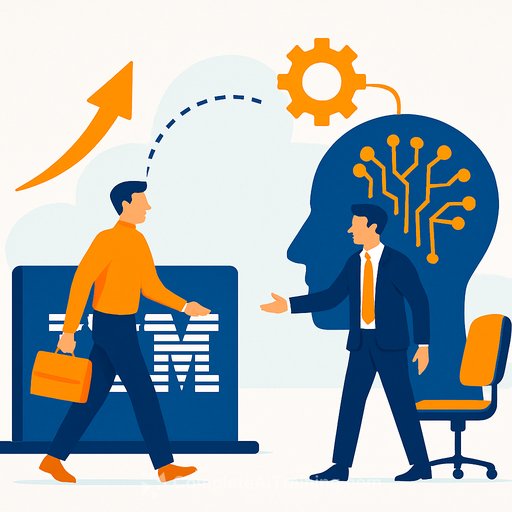
In 2023, IBM made a bold move by laying off nearly 8,000 employees, mainly from support roles like Human Resources. The plan was straightforward: replace routine tasks with artificial intelligence to boost efficiency and cut costs. But only months later, IBM found itself rehiring many of those same workers.
IBM’s AI Automation Plan: Cutting Costs by Replacing Routine Tasks
IBM believed it could automate up to 30% of repetitive work in HR and other support areas. They developed “AskHR,” an AI chatbot capable of handling around 94% of HR tasks—from leave requests to payroll management. This automation saved IBM about $3.5 billion across 70 roles, showing how AI can streamline operations.
This move was part of a larger tech industry trend where companies like Google and Spotify also cut staff, often citing AI as the reason. But IBM’s approach was more aggressive, fully integrating AI into daily HR functions.
The Unexpected Outcome: Rehiring and Shifting Roles
Despite the layoffs, IBM’s workforce actually expanded again. CEO Arvind Krishna explained that AI freed up resources, which IBM redirected into hiring for roles demanding creativity, critical thinking, and human interaction. Positions in engineering, sales, and marketing grew because AI can’t replace these skills.
While AI took over repetitive tasks, the need for human expertise in strategic and complex roles increased. This shift meant IBM wasn’t just cutting jobs; it was transforming the kind of work its employees do.
AI Creating Jobs Rather Than Just Eliminating Them
IBM’s experience highlights an important trend: AI can create new opportunities, but they require different skills. As automation handles routine work, demand rises for professionals who can design, manage, and sell AI solutions.
Other companies, including Duolingo, have also tried replacing staff with AI chatbots but found that human specialists were still necessary to handle complex issues. IBM’s success came from reinvesting savings into roles that require human judgment.
For example, AskHR managed over 11.5 million interactions in 2024. Customer satisfaction improved drastically, with Net Promoter Scores rising from -35 to +74. Still, about 6% of requests needed human attention, proving some tasks will always need a personal touch.
What HR Professionals Should Take Away
- AI is reshaping job roles, automating repetitive tasks but increasing demand for strategic, creative, and interpersonal skills.
- Successful AI adoption means reinvesting savings into human talent, not just cutting headcount.
- Continuous learning and skill development in AI-related areas are critical for staying relevant.
- Human oversight remains essential to maintain quality and customer satisfaction in automated processes.
For HR professionals, this means focusing on reskilling and preparing your workforce for a future where AI supports rather than replaces human work. Understanding how to balance automation with human skills will be key.
To explore practical ways to build AI skills relevant to HR and beyond, consider checking out AI courses tailored for different job roles.
The Road Ahead: Preparing for AI’s Impact on Work
According to the World Economic Forum, automation could displace 92 million jobs by 2030. But it will also create new positions requiring AI expertise and advanced skills. For companies and workers alike, adapting to these changes means focusing on continuous learning and evolving job roles.
IBM’s story shows that AI is less about eliminating jobs and more about changing how and where human talent adds value. Embracing this shift will help HR professionals lead their organizations and employees through the changes AI brings.
Your membership also unlocks: