IBM flips its AI hiring script: Triples entry-level roles for 2026
Three years after saying AI would replace thousands of back-office roles, IBM is taking a different path. The company plans to triple entry-level hiring across the United States in 2026-yes, for the very roles many assumed AI would take over.
Nickle LaMoreaux, IBM's chief human resources officer, announced the move at Charter's Leading With AI Summit in New York. Her message was blunt: these jobs still matter, but the work has changed.
From pause to pipeline: why IBM reversed course
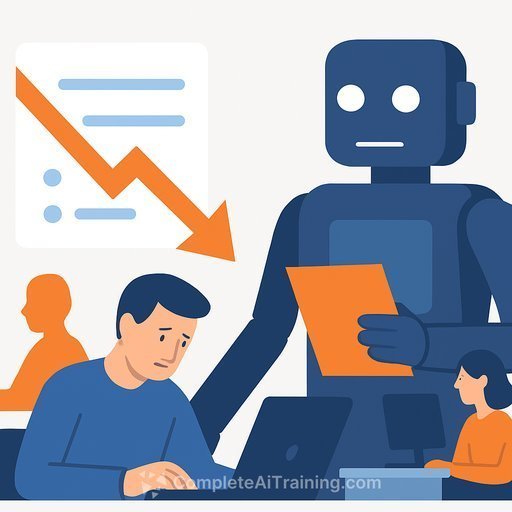
Back in May 2023, CEO Arvind Krishna told Bloomberg that IBM would pause hiring for roles AI could handle. He estimated roughly 7,800 jobs-about 30% of its 26,000 non-customer-facing roles-could be automated within five years.
Now, IBM is rebuilding its early-career pipeline. The reason is strategic: cutting junior hiring today creates a mid-level talent gap tomorrow, which is expensive to fix and slow to onboard.
The new entry-level job: fewer repetitive tasks, more human work
IBM didn't simply bring back old job reqs. LaMoreaux said she overhauled job descriptions to reflect how AI has reshaped daily work. "The entry-level jobs that you had two to three years ago, AI can do most of them," she said.
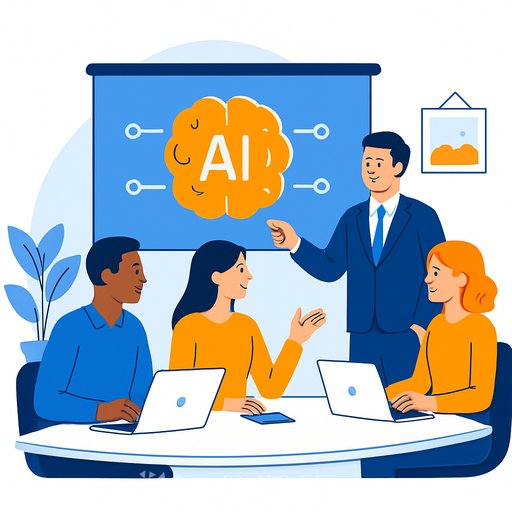
Junior developers now spend less time on routine Coding and more time with customers-clarifying requirements, validating outputs from AI tools, and closing feedback loops. In HR, early-career staff step in when chatbots miss the mark, correct AI outputs, and work directly with managers instead of fielding every inbound ticket themselves.
Signals HR leaders should note
- Early-career freezes create a future shortage of managers and tech leads.
- Poaching mid-level talent later costs more and weakens culture fit.
- External voices expect disruption: some leaders predict large cuts to entry roles, while practical operators like IBM are re-scoping work instead of eliminating it.
- Dropbox is expanding internships and new grad programs by 25%, citing younger workers' stronger AI fluency. As its people chief put it: "They're biking in the Tour de France and the rest of us still have training wheels."
What this means for HR: redesign, don't retreat
- Rebuild early-career pipelines now, but with AI-aware roles.
- Shift job value from task execution to customer contact, problem framing, and oversight of AI systems.
- Stand up "apprenticeship" models: pair juniors with seniors to supervise AI outputs and translate customer needs into deployable work.
- Budget for fewer headcount per function but higher-impact roles per hire.
How to rewrite your job descriptions
- Replace lists of routine tasks with outcomes and decision rights (e.g., "own backlog grooming with customers," "validate model outputs against acceptance criteria").
- Add AI fluency requirements: prompt quality, tool selection, evaluation, and safe use guidelines.
- Make customer-facing skills explicit: discovery, objection handling, writing clear updates, and running feedback sessions.
- Define collaboration points with AI agents, not just humans (handoffs, review steps, escalation triggers).
Skills to hire for in 2026 cohorts
- Problem decomposition and requirements gathering.
- Prompting and output evaluation for code, content, and analysis.
- Data hygiene basics: privacy, bias awareness, and traceability of changes.
- Clear writing, stakeholder comms, and customer empathy.
Operational changes that make this work
- Pair AI tools with playbooks: what to automate, what to review, what to escalate.
- Create "shadow-to-own" ladders where juniors first validate AI outputs, then lead delivery with oversight.
- Centralize reusable prompts, patterns, and templates; review them like code.
- Align performance goals to outcomes (cycle time, customer satisfaction, defect rate) instead of hours spent on tasks AI now handles.
Metrics HR should track
- Time-to-productivity for entry hires using AI tools.
- Customer satisfaction or internal stakeholder NPS tied to junior-led work.
- Defect or rework rates on AI-assisted deliverables.
- Manager span of control and bench strength for future openings.
Guardrails to avoid new risks
- Policy: what data AI tools can access, what stays off-limits, and required human review points.
- Training: recurring refreshers on accuracy checks, citation of sources, and bias testing.
- Audit: random sampling of AI-assisted work with documented sign-offs.
- Candidate fit: screen for learning speed and communication over narrow tool experience.
Bottom line for HR
AI didn't erase entry-level work-it rewrote it. Companies that keep hiring, redefine roles, and train for AI fluency will build the strongest mid-level bench in three years.
IBM's move is a clear signal: you still need people. Just not for the same jobs.
Helpful resources
- AI upskilling paths by job function to support redesigned roles and faster onboarding.
- Latest AI courses to raise entry-level fluency across your next cohort.
Your membership also unlocks: