Connected Intelligence: Why Indian Enterprises Could Set the Pace in 2026
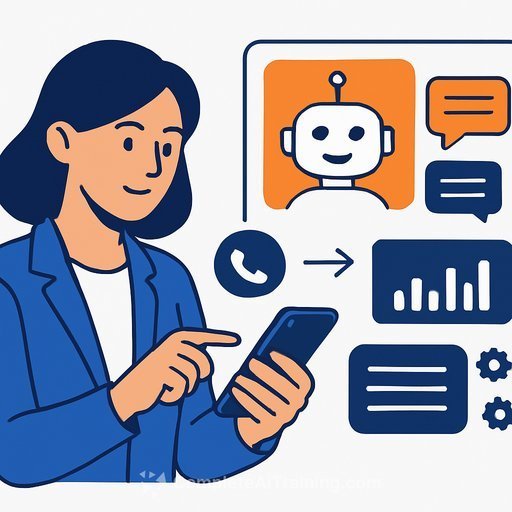
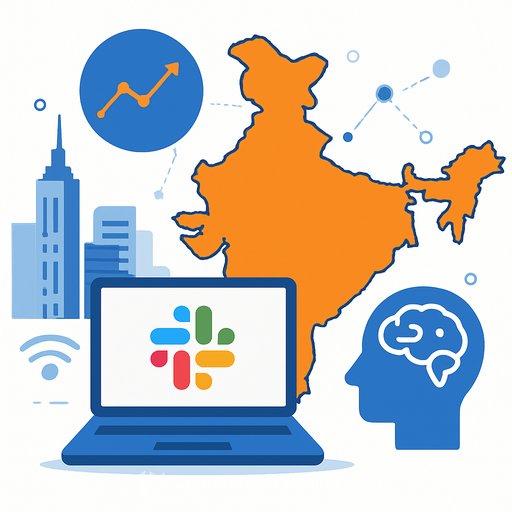
Salesforce says Indian companies are moving past basic task automation and building agentic operating models-where humans and AI operate as teammates. The goal: real-time execution across Sales and Operations, with Slack acting as the operating layer that connects people, data, and AI in one flow.
"The future isn't about layering AI onto old ways of working," said Himanshu Rajpal, regional sales director at Salesforce India. "It's about reimagining how work gets done when humans and AI operate as teammates, not tools."
What "connected intelligence" means for Ops and Sales
Think less about automating steps, more about Design-building a system that thinks and acts as one. In an agentic model, knowledge is easy to reach, decisions are more distributed, and execution happens in real time.
Slack is being positioned as the place where that happens-conversations, data, and AI agents working together to surface context, recommend next steps, and trigger workflows. As Rajpal put it, execution can move at the "speed of ambition."
Why India is primed to lead
Scale and diversity. Teams spread across metros and tier-2 cities. Collaboration across languages, generations, and work styles. This complexity forces clarity in workflows and decision rights.
Many Indian enterprises are also juggling rapid growth, high customer volumes, and legacy-plus-cloud environments. Connected intelligence gives them a practical way to improve speed and responsiveness without adding layers of process.
What to do now: a practical playbook for Operations and Sales
- Map your top 5 revenue and service workflows end to end (lead-to-close, renewal, case-to-resolution). Remove dead steps before adding AI.
- Make Slack your execution surface: central channels for deals, renewals, incidents, and approvals. Bring CRM, support, and data alerts into the channel.
- Deploy AI agents for retrieval and guidance: surface account histories, similar wins, open risks, and suggested actions on demand.
- Create shared, real-time visibility: standard channel taxonomy, required fields, and decision logs so anyone can jump in with context.
- Define guardrails: who can approve discounts, credits, pricing changes. Keep humans in the loop for risk and customer-impacting moves.
- Start with one high-volume use case (e.g., lead routing or renewal risk) and expand once you see cycle-time gains.
- Instrument from day one: time-to-first-response, cycle time per stage, handoffs, AI suggestion acceptance rate, and data quality scores.
- Train frontline managers to run workflows in-channel. Meetings become shorter; decisions get documented as you go.
A quick scenario: renewal risk handled in-channel
An AI agent flags a renewal at risk based on usage drop and support sentiment. It posts in the #renewals channel with context: last 90 days of tickets, executive sponsor notes, and similar saved plays.
Sales, CX, and Finance are tagged automatically. The agent drafts a save plan, suggests approve-ready options (credit, add-on trial), and opens a pre-filled quote. A manager reviews and approves in Slack. Everything is logged to the CRM-no swivel-chairing.
Metrics that reveal real progress
- Lead response time and first meeting booked time
- Opportunity and case cycle time by stage
- First-contact resolution and SLA adherence
- Backlog age and cross-team handoff count
- % routine tasks automated and AI suggestion acceptance rate
- Knowledge retrieval time (from question to credible answer)
Implementation notes (so you move fast without breaking trust)
- Don't bolt AI onto broken processes-simplify first.
- Standardize channel naming, fields, and tags so agents can find and act on consistent data.
- Tighten data permissions and audit logs. Sensitive actions require clear approvals.
- Start with one business unit, ship weekly, and publish before/after metrics.
- Invest in enablement: short "run the day in Slack" playbooks for reps, managers, and ops.
2026 outlook
Salesforce's view is clear: connected intelligence will be a competitive edge, and Slack will sit at the center of it. The winners won't be those with the biggest stack, but those who think and act as one system-where AI and people move work forward in the same place.
Resources
Your membership also unlocks: