
AI news ·
India's creative industries unite to demand consent and voluntary licensing for AI training of copyrighted works
India's film, music, publishing, and broadcasting industries are demanding that AI companies get explicit permission before training on copyrighted works. They're pushing back against a government proposal to grant blanket access at state-set rates.
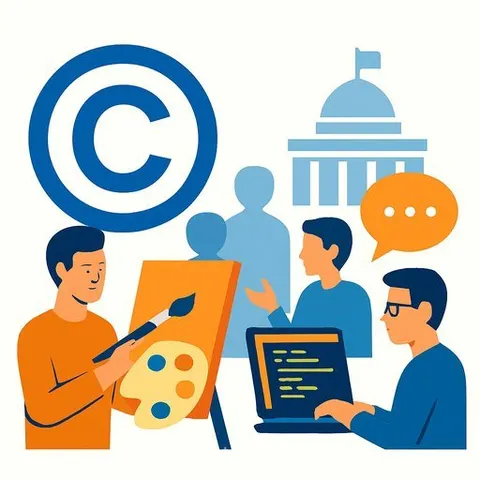
India's Creative Industries Push Back Against Blanket AI Training Rules
Film, music, publishing, and broadcasting leaders across India called on policymakers last week to reject copyright weakening in artificial intelligence policy. Three industry roundtables in Mumbai, Delhi, and Hyderabad unified around a single demand: any AI system that trains on creative works must have explicit permission from the rights holder.
The push directly challenges a government proposal to grant blanket access to copyrighted material for AI training at state-set rates. Sanjeev Sanyal, principal economic advisor to India's Prime Minister, chaired the Delhi roundtable and heard the industry's concerns firsthand.
Three Non-Negotiable Principles
Industry groups outlined their position in three parts:
- Consent: Rights holders must approve AI training of their work.
- Voluntary licensing: Deals between creators and AI companies should remain negotiated, not mandated by government rates.
- Enforcement: Creators need stronger tools to protect their rights online, including simpler civil damages and more effective criminal enforcement.
Abhay Sinha, president of the Film Federation of India, framed the issue plainly: "Digital India must not become 'free for all India' - our creative works cannot be treated as raw material for someone else's business model."
AI and Creativity Are Not Opposed
A white paper released during the roundtables, "AI In The Creative Industry: Deepening The Value Chain," documented how India's screen industries already use AI tools to improve filmmaking while keeping human creativity central. The point: strong copyright and AI innovation coexist.
Sanjay Tandon, founder of the Indian Singers and Musicians Rights Association, rejected the framing that copyright blocks progress. "AI companies using creative works without permission is theft. It kills the artist, hollows out investment, reduces risk-taking, and ultimately shrinks the diversity of music and stories that Indians get to hear and see."
Blaise Fernandes, president of the Indian Music Industry, pointed to global precedent. "Globally, deals are being done between copyright holders and AI companies. Why can't the same be applicable to India?"
The Supply Chain Argument
The roundtables highlighted who depends on copyright enforcement beyond headline creators. Dil Raju, chairman of the Telangana Film Development Corporation, noted that copyright protects "writers, performers, technicians, editors, designers, small studios and thousands of MSMEs that depend on fair returns through voluntarily negotiated licences."
Avinash Pandey, secretary general of the Indian Broadcasting and Digital Foundation, connected enforcement to market confidence. "India's ambition to be a global content hub depends on trust: creators must trust the market will pay fairly, and investors must trust rights can be enforced."
The industry groups plan continued engagement with policymakers on how India can lead in AI while protecting creators and the rule of law. James Cheatley, vice president of digital affairs at the Motion Picture Association, said the coordinated response from Indian creators "sends a strong signal, reinforcing a growing global resistance to efforts to weaken copyright protections at the moment they are most needed."
If you work in creative fields, understanding how AI training intersects with your intellectual property rights is now essential. AI for Creatives courses can help you grasp both the tools available and the policy landscape shaping their use.