
AI news ·
Insurance companies use artificial intelligence to prevent claims
Insurers are shifting from paying claims to preventing them with AI. Currently, 76% of US carriers have deployed generative AI across at least one business function.
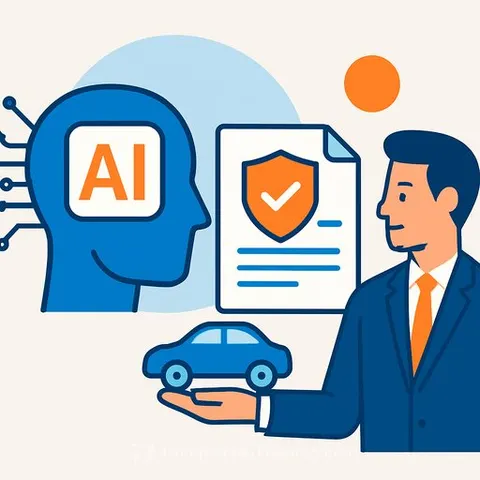
Insurance carriers are moving from simply paying claims to actively preventing them. The shift, powered by artificial intelligence and advanced data analytics, is changing how organizations identify and manage risks that have grown more complex, interconnected, and difficult to predict.
Every claim filed, policy renewed, vehicle accident reported, and property loss assessed generates valuable data about customer behavior and emerging exposures. For years, that information sat fragmented across legacy systems. Now, predictive analytics and machine learning transform it into actionable intelligence, allowing insurers to spot hidden patterns, detect anomalies, and anticipate losses before they happen.
From claims data to risk intelligence
Insurers are integrating vast amounts of structured and unstructured data in real time. By combining claims history, operational data, environmental conditions, and behavioral trends, companies gain a clearer picture of what drives losses and operational disruptions. This makes it possible to design prevention strategies, allocate resources more efficiently, and prioritize interventions where they have the greatest impact.
In corporate health programs, for example, analytics can identify factors that increase an organization's claims experience, leading to more effective wellness initiatives. Beyond health, AI speeds up processes that once required days of analysis, improving responsiveness in volatile environments.
AI adoption accelerates in insurance
According to Deloitte, 76% of US insurers have implemented generative AI tools across at least one business function. McKinsey suggests the industry is moving toward AI-first operating models, where artificial intelligence becomes embedded in decision-making rather than functioning as a standalone capability. As insurers adopt these tools across underwriting, claims, and risk advisory, professionals are turning to resources like AI for Insurance to build the necessary skills.
Human judgment remains critical
Technology alone does not solve risk management challenges. "Competitive advantage no longer comes from having more data. It comes from knowing what to do with it," said Grupo Interesse. AI can identify patterns and correlations with high accuracy, but human judgment provides context, evaluates implications, and sets business priorities.
At Grupo Interesse, business intelligence and proprietary analytics help organizations understand claims behavior, spot vulnerabilities, and strengthen prevention strategies. The combination of technology and specialized expertise makes it possible to anticipate scenarios and design protection programs aligned with each organization's specific needs.
Why this matters for insurance professionals
The industry's future will be defined not by how efficiently companies pay claims, but by how effectively they help prevent them. For insurance professionals, this means the job is shifting from reactive claims processing to proactive risk advisory. Building competency in data interpretation, predictive analytics, and AI tools is becoming a core requirement, not an optional skill. Those who can translate data-driven insights into preventive action will lead the next wave of the business.