
AI news ·
Japan Justice Ministry draft report finds existing civil law covers AI voice and likeness disputes
Japan's Justice Ministry concluded July 29, 2026, that three existing civil laws can resolve AI likeness disputes. The government likely will not pursue new AI legislation.
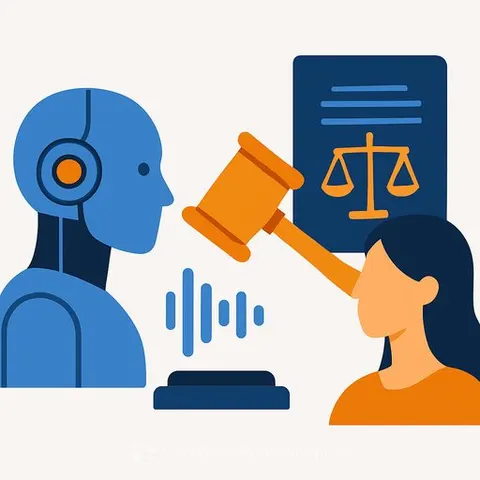
Japan's Justice Ministry released a draft report on July 29, 2026, concluding that existing civil law - including publicity rights, portrait rights, and unfair competition law - can resolve many disputes over AI-generated voices and likenesses. The finding signals that the country may not pursue new legislation specifically for AI-generated content, instead relying on current legal frameworks.
The report, prepared by a government panel, addresses growing concerns that AI tools can replicate a person's voice or appearance without consent. It argues that these existing protections give individuals and businesses legal recourse without the need for additional statutes. The panel's draft suggests that the courts can apply existing rules to new technology, avoiding the legislative battles seen in other jurisdictions.
Existing legal protections
The report highlights three areas of law. Publicity rights protect a person's image and persona from unauthorized commercial use. Portrait rights offer similar safeguards for photographs and likenesses. Unfair competition law can be invoked when AI-generated content misleads consumers or damages a business's reputation. The panel found that these tools, when applied to AI-generated voice or likeness disputes, cover many of the harms that have prompted calls for new legislation.
A different path from other countries
Some countries have proposed or enacted AI-specific laws targeting deepfakes and synthetic media. Japan's approach, if finalized, would instead lean on existing statutes. The draft report's emphasis on established law may influence how other governments approach AI regulation, a topic covered in the AI Learning Path for Policy Makers. Government officials seeking to understand the legal implications of AI can find relevant training through AI for Government.
Why this matters for government
Japan's draft report demonstrates that existing civil law can be a starting point for AI governance, reducing the need for immediate legislative action. For government lawyers and policy makers, this means monitoring how courts interpret these laws in AI cases could be as critical as drafting new regulations. The approach may also inform international discussions on AI and intellectual property.