
AI news ·
Japan urged to strengthen copyright law as AI-generated anime videos spread without authorization
AI-generated anime videos featuring characters from Demon Slayer and Doraemon are spreading on social media without copyright holders' consent. Japan's 2018 law allowing AI training on copyrighted works without permission created the gap.
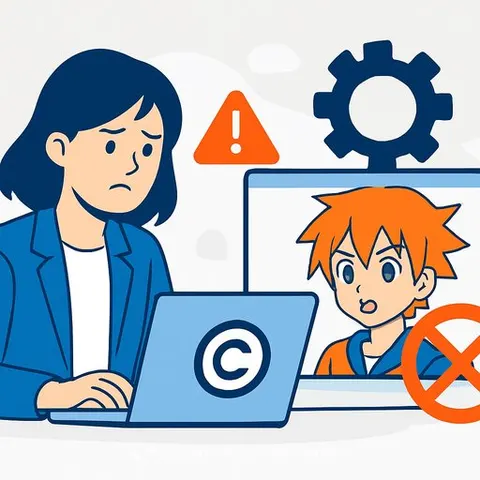
Japan Faces Wave of Unauthorized AI-Generated Anime Videos
Unauthorized videos featuring characters from popular Japanese anime and manga are spreading across social media, created using generative AI without permission from copyright holders. The videos show recognizable characters in new scenarios-Doraemon fighting Ultraman, protagonists from "Demon Slayer" causing traffic incidents-and appear to come from AI video-creation services offered by major companies.
No copyright holders have authorized any of these videos, according to an organization representing anime production companies. The Copyright Law requires third-party authorization before using copyrighted works, yet this requirement is being systematically bypassed.
The Legal Problem
Japan's copyright framework contains a critical gap. In 2018, the government amended the law to permit copyrighted works to be used for AI training without the rights holder's consent. That change opened the door to the current situation.
The anime industry-mostly small and midsize firms-faces a practical barrier to enforcement. Filing a lawsuit against a major AI company individually would impose significant financial and legal burden on a small studio. The government has acknowledged this disparity and plans to investigate copyright infringement cases and advise the industry on litigation strategies.
A draft code of conduct for AI companies, released by the Cabinet Office late last year, calls for protecting intellectual property rights during AI training. The draft includes no penalties, raising questions about its enforceability.
Broader Industry Risk
The problem extends beyond animation. As generative AI technology advances, any creative work faces the risk of unauthorized imitation and devaluation.
Creators invest time and resources into original works. Allowing third parties to reproduce and distribute AI-generated versions without authorization undermines that investment and reduces incentive to create. Japan's content industry could suffer if the practice continues unchecked.
The government must decide whether current copyright law adequately protects creators in the AI era, or whether new regulations are needed. For professionals in legal roles, this represents an emerging area where copyright doctrine meets AI policy-one that will likely require clarification through legislation or litigation in coming years.