
AI news ·
Lawyers face five AI ethics risks beyond hallucinated citations, experts warn
Courts have issued hundreds of sanctions since Mata v. Avianca exposed lawyers filing AI-generated fake citations. But false citations are just one of several AI-related ethics risks attorneys now face.
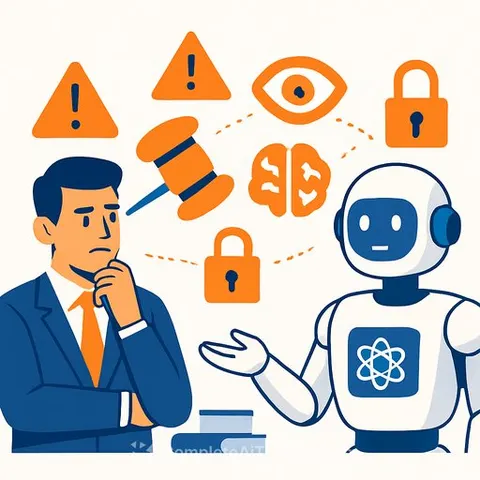
Courts Issue Hundreds of Sanctions for AI-Generated False Citations
Nearly three years after the Mata v. Avianca case exposed lawyers using fabricated legal citations from generative AI, courts and state disciplinary bodies have handed down hundreds of sanctions. The landmark case made clear that attorneys cannot simply trust AI tools to verify their work.
False citations dominate current attorney AI-misuse cases because courts and opposing counsel can easily identify them. But this focus masks deeper problems that carry equal ethical weight.
Five AI Risks Beyond Hallucinated Citations
Lawyers must consider risks that operate below the surface of obvious errors:
1. Failing to Keep Up With Evolving AI Capabilities
The American Bar Association Model Rule of Professional Responsibility 1.1, comment 8 requires lawyers to be aware of changes in the law and practice. This obligation extends to understanding how AI tools work and their limitations.
Attorneys who don't stay current with AI capabilities risk misusing systems or failing to recognize when a tool is unsuitable for a task. Professional competence now includes knowing what your AI tool can and cannot reliably do.
What Comes Next
The sanctions landscape will likely expand beyond citation errors as courts develop more sophisticated methods for detecting AI-related misconduct. Lawyers should treat AI competency as a core professional responsibility, not a technical afterthought.
For legal professionals looking to understand AI tools more thoroughly, resources like AI for Legal and the AI Learning Path for Paralegals provide practical guidance on AI applications in legal work, from document review to contract analysis.