Kadence Introduces AI-Driven Visitor Management for Modern Workplace Operations
Visitor traffic isn't a front-desk task anymore. It's an operations signal that touches security, compliance, and space planning. Kadence has rebuilt its Visitor Management System (VMS) to automate entry, standardize workflows, and give leaders clear visibility across every site - a strong example of AI for Operations.
As offices get leaner and teams spread across regions, manual sign-ins and disconnected tools create delays and blind spots. The new VMS folds visitor activity into Kadence's broader workplace operations platform so managers see what's happening on-site in real time and act on it.
Why this matters for operations leaders
You get a single source of truth for who is on-site, why they're there, and how traffic patterns affect space demand. That means faster entries, cleaner audits, and fewer ad-hoc messages asking "Is my guest here yet?"
It also supports hybrid offices where reception isn't always staffed. Autonomous check-in and standardized policies keep arrivals consistent and compliant without extra headcount.
What's inside the rebuilt VMS
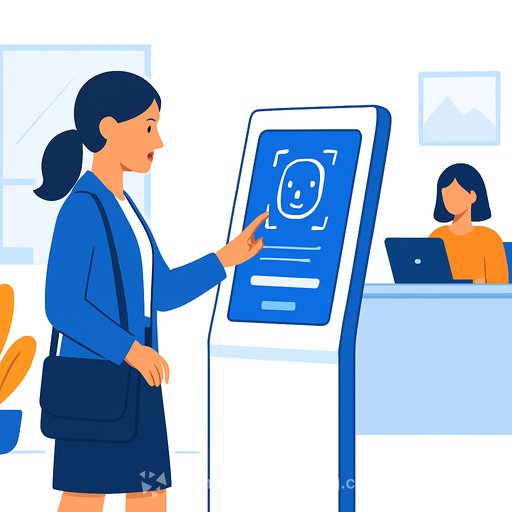
- Self-service kiosks for quick, autonomous entry across high-volume locations
- QR-based check-in for preregistered guests to cut wait times
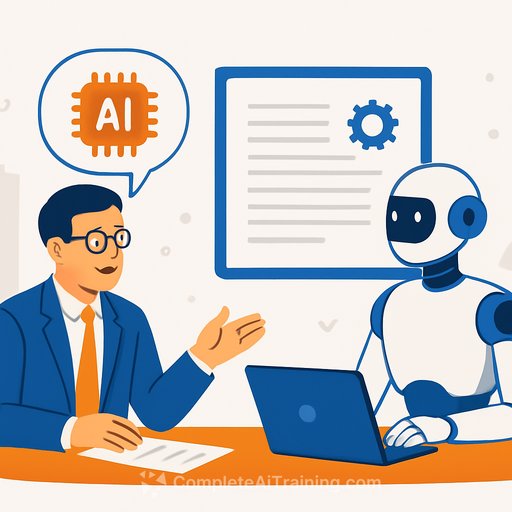
- AI-led invites right from Microsoft Teams or Slack-no separate app to manage (driven by Generative AI and LLM).
- Built-in capture of NDAs, waivers, and compliance documents during check-in
- Instant host notifications via Teams, Slack, or email
- Centralized, audit-ready visitor logs across every global location
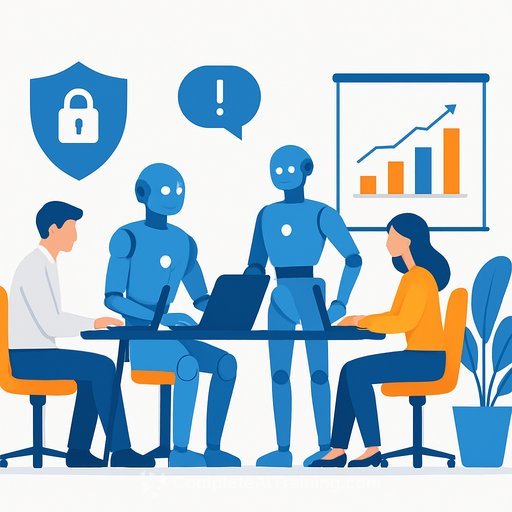
Because VMS is embedded in Kadence SpaceOps, visitor data sits alongside employee attendance and bookings. That gives you a clearer picture of peak arrivals, guest-driven demand, and how to allocate desks, rooms, and staff.
Built for scale and hybrid offices
- Global governance with local control for site-specific rules
- Live visibility to support audits, emergencies, and incident response
- Consistent, on-brand arrival experiences at every site
- Autonomous check-in for hybrid or minimally staffed offices
How to roll it out with minimal friction
- Map your visitor types (partners, contractors, candidates) and define document requirements per type.
- Set global policies first-then allow site admins to tune local settings like kiosk prompts and badge formats.
- Integrate host notifications in Teams/Slack and agree on response SLAs.
- Create NDA and waiver templates, plus data retention rules for audit readiness.
- Pilot in two contrasting locations (high-volume HQ and a smaller hub) to validate workflows before scaling.
Metrics to watch
- Average time-to-entry and preregistration rate
- Kiosk usage vs. manual check-ins
- Host response time to guest arrival alerts
- Document completion rate (NDAs/waivers)
- Visitor-to-employee ratio and peak arrival windows
- Policy exceptions and audit findings by site
Leadership perspective
As Kadence's team put it, visitor management has moved beyond a single desk-it's now a connected part of how the workplace runs. The rebuild focuses on simplicity, speed, and intelligence so ops leaders can standardize the process and see the full picture across every location.
Bottom line
If you manage multi-site operations or a hybrid footprint, consolidating visitor workflows into one system is a quick win. You'll reduce bottlenecks at the door, tighten compliance, and use visitor signals to plan space with more confidence.
Want your team to get comfortable with AI-enabled workflows fast? Explore practical training to upskill your ops team on AI workflows.
Your membership also unlocks: