A Leader’s Perspective on AI: Realising Its Full Potential at the Workplace
Leading teams today involves balancing evolving workforce expectations, fast technological changes, and meeting stakeholder demands—all while driving business results and delivering shareholder value.
AI in the workplace was a key topic during the recent London City Week conference, where industry experts discussed how AI and digital innovation are reshaping organisational operations. One panel on leadership and AI sparked particular interest, focusing on how to unlock AI’s full potential.
Key Questions for Leaders
- What is the return on investment when adopting AI?
- Can employees adapt their mindset and work effectively alongside AI tools?
- How can current and future leaders leverage AI to lead more effectively?
AI is not a passing trend. It’s a fundamental change influencing how organisations operate, especially in team collaboration and strategic decisions.
Managing Risks and Embracing Change
Leadership must evaluate their organisation’s risk tolerance when introducing AI. This includes assessing workflow changes, impacts on current processes, and human capital requirements. Being proactive means understanding AI’s risks and finding ways to mitigate and accept them through careful deployment.
During the panel, CEOs from leading software companies like Microsoft UK and IBM highlighted ongoing risks such as data privacy and GDPR compliance. AI systems often handle large datasets, including sensitive employee and customer information, creating potential for security breaches. This also increases the need for regulations, market surveillance, and disclosure standards.
AI as a Tool for Better Leadership
AI offers valuable support for decision-making by analysing historical data and forecasting trends. This enables leaders to make more rational, unbiased, and data-driven choices, reducing reliance on opinions or assumptions.
Specialised AI software can:
- Identify patterns and predict multiple potential outcomes.
- Gather and analyse competitor data, industry reports, and customer preferences to inform product and service strategies.
- Provide real-time insights into team performance, highlight bottlenecks, and optimise workflows.
- Automate routine administrative tasks, freeing leaders to focus on strategic priorities.
Maintaining the Human Element
While AI can enhance performance evaluations, it cannot fully assess human qualities like emotional intelligence, leadership, and teamwork. This creates a risk of undervaluing employees strong in people skills.
AI should augment—not replace—human judgement. Leaders must monitor AI outputs carefully and maintain human oversight to avoid blind spots.
Adapting Skills and Culture
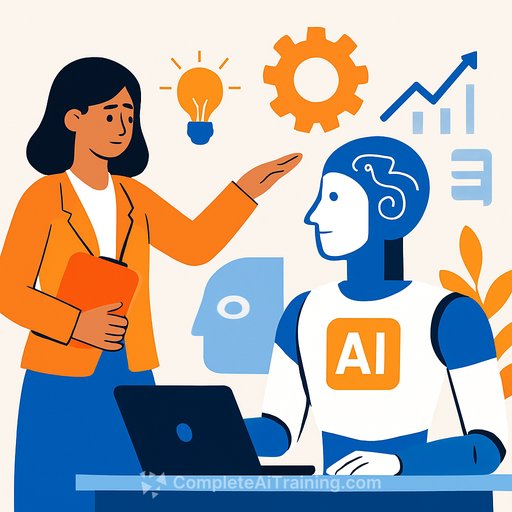
AI adoption requires continuous learning and skills development to ensure employees work effectively alongside new technologies. Leaders should integrate AI tools into daily operations to improve analytical insights, then redirect their focus toward nurturing teams, building connections, and adopting a people-centred leadership style.
Investing Wisely in AI
Implementing AI demands technical literacy and resource investment. Training is essential, and costs must be weighed against benefits as organisations evolve. Embracing AI means balancing technological advantages with the irreplaceable value of human relationships and sound judgement.
For HR professionals interested in building AI skills, exploring targeted AI courses by job role can offer practical guidance on integrating AI tools effectively in the workplace.
Your membership also unlocks: