
AI news ·
Malaysia’s Human-Centered Strategy for Building an AI-Ready Workforce
Malaysia invests RM10 billion annually in data-driven skills training to prepare workers for AI and green economy roles. Regional collaboration within ASEAN will boost workforce readiness and inclusivity.
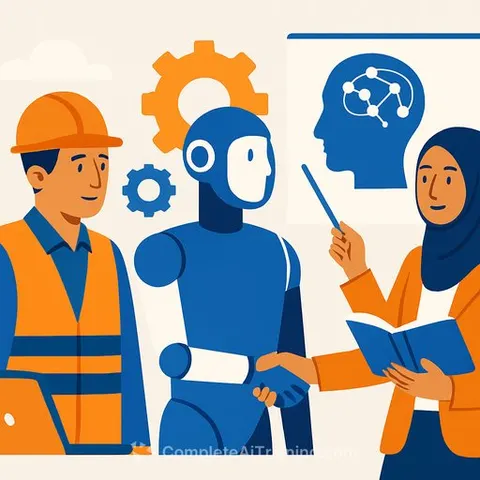
Malaysia's Data-Driven Approach to Skills Development in an AI-Driven Economy
As AI transforms the workforce, Malaysia is taking a practical, data-focused approach to skills development. From national reskilling programs to regional cooperation within ASEAN, the country is actively preparing for the future of work. Early in his tenure, Malaysia’s Minister of Human Resources noticed widespread concern among workers—from corporate employees to gig workers—about job security in an AI-influenced economy.
Data-Driven Planning for an AI-Ready Workforce
Malaysia is basing its workforce strategy on solid data rather than assumptions. A national study led by TalentCorp examined how AI, digitalisation, and the green economy will impact jobs. The findings showed about 620,000 roles are at high risk of automation or becoming obsolete. Many affected workers will need to cross-skill, upskill, or reskill to stay employable.
However, this shift also creates opportunities. The study identified 60 emerging job roles, with 70% related to AI and digital technologies. These roles are already appearing in job markets and reflect global talent demands. This insight helps guide training efforts to focus on skills that will matter most.
From Concern to Strategy: Investing in Skills
To equip Malaysians for these changes, the government allocates RM10 billion annually to skills education and training. Around 30% of this funding comes from a statutory levy on private companies to train their employees. Several initiatives support this goal:
- MyMahir: A digital platform offering real-time insights into job market trends, in-demand skills, and training options.
- Future Skills Talent Council: A collaboration between government and industry leaders to keep skills training aligned with business needs. Workers trained through its programs earned a 12% higher wage than the national average in the first year.
Looking ahead, Malaysia plans to create “skill universities” that offer industry-aligned qualifications comparable to traditional degrees. These institutions will be accessible and designed to meet market demands effectively.
Driving Regional Efforts through ASEAN
Malaysia recognizes that workforce challenges stretch beyond its borders. ASEAN countries face similar shifts due to AI and green economic growth. The International Labour Organization estimates the region could create up to 30 million green jobs by 2030 with appropriate reforms.
Malaysia will lead the ASEAN Year of Skills 2025 initiative during its chairmanship, encouraging regional collaboration on human capital development. A highlight will be the National Training Week in June 2025, open to all ASEAN citizens, offering 65,000 training courses from local and international providers.
The country is also partnering with the World Economic Forum to co-chair the Gender Parity in the Future of Work Accelerator. This initiative focuses on empowering female talent in the AI era and complements Malaysia’s MADANI Economic Framework, which includes policies to increase female labor participation.
Technology with a Human Touch
While AI introduces disruption, Malaysia’s approach stresses that technology must be guided by human values. The Minister quoted Rudyard Kipling’s The Secret of the Machines, reminding us that humans control technology, not the other way around.
At its core, Malaysia's strategy is about more than jobs or wages—it’s about dignity and ensuring no one is left behind.