How To Manage Customer Expectations Better With AI
Big tech has cut staff to fund AI. Smaller companies call AI a must-have to stay competitive. That shift affects the one stakeholder that keeps the lights on: your customers.
As support leaders, your job isn't to choose bots over humans. It's to deliver faster resolutions at lower cost without letting satisfaction slip. That's the line to walk.
Customer: Casualty or Beneficiary?
AI can strip out the human touch. It can also slash wait times and solve common issues instantly. The truth shows up in the numbers: do NPS and CSAT go up or down when AI steps in?
If you need a reference point, NPS is a useful yardstick for loyalty. Learn more here: Net Promoter System.
The Rule
Only ship changes that improve productivity or reduce costs while meeting your baseline CSAT. Saving money today that quietly erodes trust tomorrow is a bad trade.
Use AI Where It Wins, Keep Humans Where It Matters
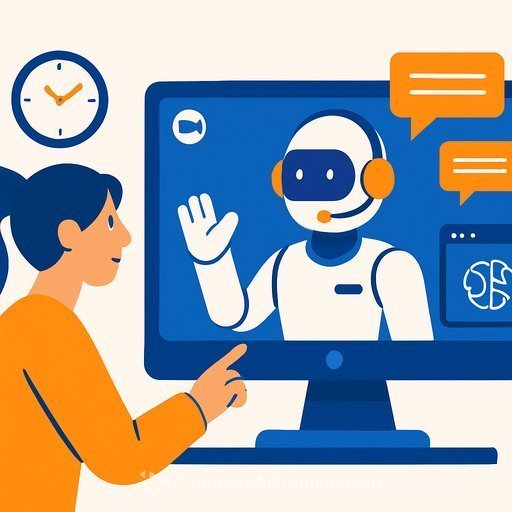
Pure chatbot experiences often frustrate people. A hybrid approach works better: let AI handle the repetitive load and hand off nuanced, emotional, or high-stakes cases to people.
- AI wins: 24/7 coverage, instant answers to FAQs, account lookups, order status, basic troubleshooting, intent triage, language detection.
- Humans win: escalations, billing disputes, exceptions, cancellations/retention, vulnerable customers, anything needing negotiation or empathy.
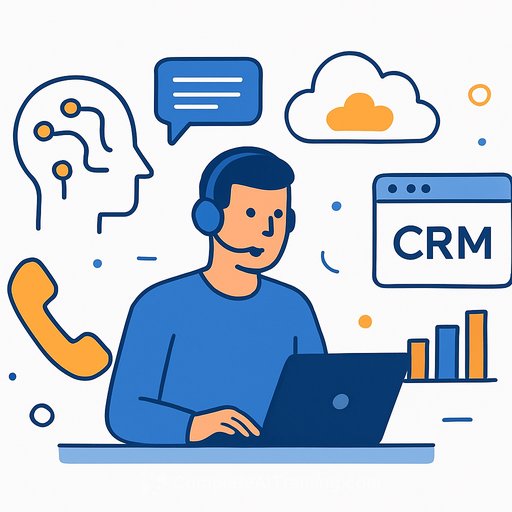
Tools like Kapture let AI agents resolve routine queries fast, cutting first response time and average resolution time. Human agents then focus on the 10% that actually needs judgment.
Design the Hybrid Flow
- Map your top intents and tag them bot-eligible vs. human-only.
- Set confidence thresholds: low confidence = immediate human transfer.
- Give every conversation a visible "Talk to a person" option from the start.
- Route by skills and priority; preserve conversation history on transfer.
- Define SLAs for bot-to-human handoff and monitor them daily.
- Standardize tone and short scripts so bots and humans sound consistent.
Measure What Matters (By Channel)
- Speed: First response time, average handle/resolution time.
- Quality: First contact resolution, recontact rate within 7 days.
- Satisfaction: CSAT and NPS split by AI vs. human interactions.
- Containment: Bot resolution rate vs. forced transfers and "escape" clicks.
- Cost: Cost per resolution and per channel.
Report these weekly. If AI improves speed and cost but CSAT drops, rebalance the flow, raise transfer rules, or narrow bot intents.
Prospective Customers Count Too
Pre-sale interactions shape trust. AI now writes content, scores leads, and runs outreach. That can help you focus on warm prospects and stop pestering cold ones-if you respect consent and signals.
Know your compliance basics. The FCC's TCPA rules are a good start: Telephone Consumer Protection Act (TCPA).
- Score leads using opens, clicks, replies, and time on page. Lower scores = lighter touch or pause.
- Sync consent and opt-outs across every tool. No exceptions.
- Route engaged, consented leads to closers; send cold-but-consented leads to a re-engagement specialist.
- Auto-unenroll leads after X unanswered touches; human review before re-adding them.
Guardrails That Keep Trust
- Be clear when a bot is responding. No tricks.
- Offer easy escalation at any point and hit your handoff SLAs.
- Capture feedback post-interaction and tag it by channel.
- Respect privacy: least-access data policies and audits for every integration.
- Support accessibility and multiple languages where your customers need it.
Quick Start Checklist for Support Leaders
- Identify your top 20 intents by volume and mark 10-12 for AI.
- Stand up a knowledge base that bots and humans both use.
- Define transfer rules, SLAs, and ownership for escalations.
- Create a simple bot persona: tone, do/don't say, and fallback lines.
- Build dashboards that split every metric by AI vs. human.
- Train agents to work with AI: verifying context, summarizing threads, and handling handoffs cleanly.
If your team needs structured upskilling on AI for customer roles, explore curated options here: AI Courses by Job and a catalog of Popular AI Tools.
The Balance That Wins
Let AI absorb the repeatable load and keep humans where trust is won or lost. Hold the line on CSAT while you reduce cost and improve speed. That balance is the benchmark for support teams that lead in the years ahead.
Your membership also unlocks: