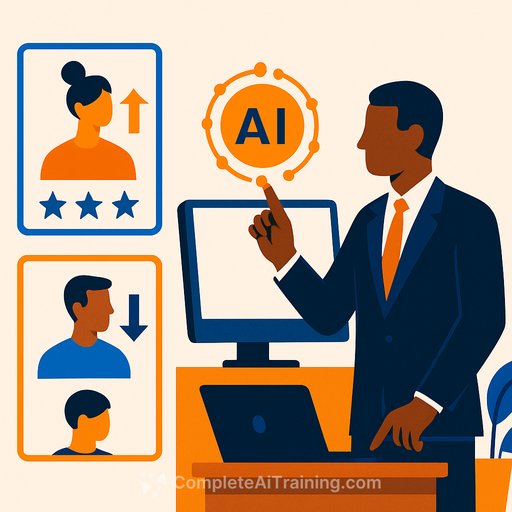
How AI Is Changing Managerial Decisions on Promotions and Firings
Artificial intelligence tools are becoming standard in managerial decision-making. A recent survey of over 1,300 U.S. managers reveals that 60% use AI at work, and nearly all of them—94%—apply it to decisions about their direct reports. This includes raises (78%), promotions (77%), layoffs (66%), and terminations (64%).
Despite this widespread use, only about one-third of these managers have received formal training on using AI ethically in people management. Another 43% received informal guidance, while roughly 25% had no training at all.
The Role of AI in Replacement Decisions
Almost half (46%) of managers using AI were instructed to assess whether AI could replace a direct report’s role. Among those, 57% concluded AI could replace the position, and 43% actually moved forward with replacing the human role.
While AI offers data-driven insights, it lacks the human qualities of context, empathy, and judgment. As Stacie Haller, a chief career advisor, points out, AI’s recommendations depend heavily on the data it’s given, which can include biases or inaccuracies. Organizations must handle AI ethically to avoid legal troubles and maintain employee trust.
Human Oversight and Confidence in AI
More than 20% of managers using AI let the technology make final decisions without human intervention. Still, nearly all say they are ready to override AI recommendations if they disagree.
Managers also use AI for creating training materials (97%), developing employee growth plans (94%), assessing performance (91%), and crafting performance improvement plans (88%).
Balancing Bias and Inclusion
Using AI in employment decisions carries risks. Bias can creep in depending on how AI models are trained and the quality of past human decisions. However, AI can also support diversity, equity, and inclusion efforts by identifying patterns of exclusion or missed promotion opportunities.
For example, GoDaddy uses AI to flag employees who might be eligible for promotion, helping HR professionals focus on objective data instead of subjective judgments. This structured approach helps reduce bias in promotion decisions.
What Managers Should Consider
- Ensure formal training on ethical AI use is part of management development.
- Maintain human oversight on AI-driven decisions to preserve empathy and context.
- Use AI to support, not replace, human judgment in personnel management.
- Leverage AI to uncover hidden biases and improve diversity and inclusion.
For managers looking to deepen their understanding of ethical AI use in leadership, exploring targeted courses can be valuable. Resources like Complete AI Training’s management-focused AI courses offer practical guidance for integrating AI responsibly.
Your membership also unlocks: