
AI news ·
Markup AI warns CMOs of accountability gaps as AI-generated marketing campaigns grow
CMOs are deploying AI content tools faster than they're building oversight structures, leaving brands exposed to factual errors and compliance risks. Many now face board scrutiny but lack formal accountability frameworks to manage it.
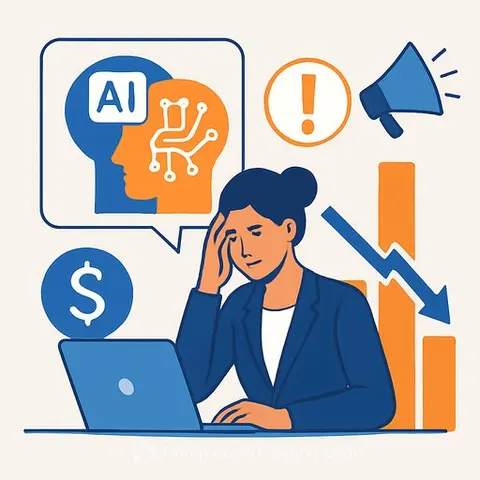
CMOs Face Accountability Gaps as AI-Generated Marketing Grows
Marketing teams are adopting AI tools faster than they're building safeguards to control them. A growing number of chief marketing officers now face board-level scrutiny over brand accuracy, factual errors, and compliance risks tied to AI-generated campaigns-yet many lack formal governance structures to manage these exposures.
The disconnect is straightforward: teams deploy AI to produce content at scale but don't establish corresponding oversight frameworks. Brand damage, regulatory violations, and factual inaccuracies can follow.
How Leading Organizations Manage the Risk
Companies that handle AI control effectively treat it as a strategic responsibility, not a technical one. They assign clear ownership, define accountability structures, and build infrastructure proportional to their AI-driven output volume.
This approach differs from teams that view AI governance as an IT problem to be solved after deployment. The difference shows up in reduced brand incidents, faster compliance reviews, and stronger executive confidence in campaign quality.
What CMOs Should Do Now
The practical steps include:
- Establish a single owner for AI control decisions across marketing
- Create approval workflows that match your content production speed
- Document compliance requirements before deploying AI tools
- Audit existing AI-generated content for accuracy and brand alignment
- Define escalation paths for high-risk campaigns
Organizations treating AI control as a board-level governance issue-not a tool feature-are moving faster and with fewer incidents. CMOs without formal frameworks are exposed.
Learn more about managing AI governance in marketing through AI learning resources for CMOs or explore broader AI applications in marketing.