How to Effectively Leverage AI in Interviews
Integrating artificial intelligence into your interview process means more than just using technology. It’s about making hiring more efficient, inclusive, and insightful. Combining AI with human judgment can strengthen your talent acquisition efforts. Start discussions within your company to explore how AI can give you an advantage in recruitment. Effective AI integration in interviews requires careful planning and awareness of its impact. Here’s a practical guide to using AI in your interview process.
1. Define the Role of AI
AI tools can automate repetitive tasks and provide deeper insights into candidates. If your company hasn’t started using AI in recruitment, now is the time to consider its potential. Building a human-centered, ethical strategy that pairs AI’s strengths with your expertise can significantly improve hiring.
- Application screening: AI can identify qualified candidates and personalize outreach. It can match cognitive and emotional traits to job requirements. Many companies use AI and machine learning to assess resumes and video interviews. Research vendors to find features that fit your needs.
- Interview scheduling: AI tools manage calendars and candidate availability, reducing delays.
- Pre-interview analysis: Some systems screen candidates, perform initial assessments, and respond to queries in a conversational way, easing candidate anxiety. AI saves time but should be paired with human involvement for final interviews and decisions.
- Question generation: Use AI to create custom questions targeting role-specific skills.
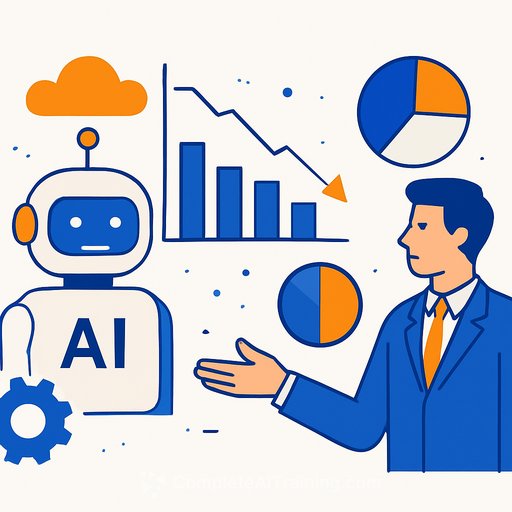
- Post-interview analysis: AI can review interview recordings to identify themes, competencies, and gaps, offering data-driven insights for hiring decisions.
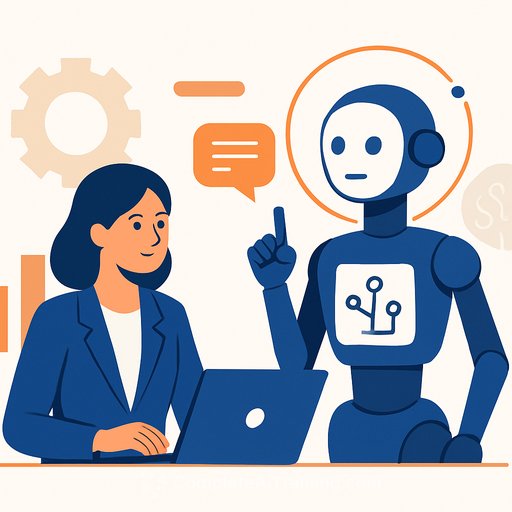
- Interview support: During live interviews, AI can summarize candidate responses in real time, helping interviewers focus on engagement instead of note-taking.
- Interview question generators: Tools that allow adjustment of question difficulty help evaluate candidates across experience levels with precision.
2. Choose the Right AI Tools
Selecting AI tools that match your organization’s needs is essential. Look for platforms that emphasize transparency, security, and ethical AI practices. HR professionals commonly use AI for recruitment, learning and development, and performance management. Consider:
- Video interviewing platforms: Seek feedback from HR networks to identify user-friendly options.
- Scheduling assistants: Advanced tools automatically coordinate calendars for candidates, hiring managers, and stakeholders. Many vendors offer product demos or free trials—use these to evaluate fit.
- AI-powered analytics: These tools monitor if key competencies are addressed in interviews, highlight gaps, and suggest ways to reduce unstructured or biased questioning.
Consult vendor directories that list AI hiring tools to find options suited to your needs. For learning more about AI tools and courses, you can visit Complete AI Training.
3. Balance AI with Human Intelligence
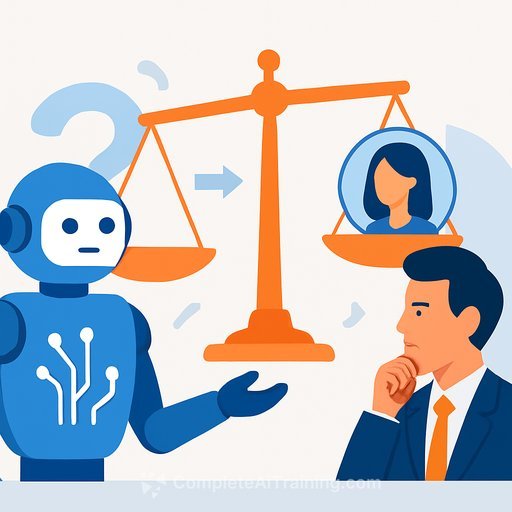
AI enhances parts of hiring but should never replace the human touch. Final hiring decisions require human judgment to evaluate cultural fit and interpersonal skills. To balance AI and human input:
- Review AI recommendations: Compare AI conclusions with human assessments, and question discrepancies.
- Keep interviews personal: Interviewers should build rapport and assess candidate fit directly.
- Ask behavioral and situational questions: In-person interviews reveal nonverbal cues like body language and composure, adding context.
- Communicate empathetically: Even if AI sends updates, ensure candidates feel valued and respected.
4. Train Your Recruiting Team
Training ensures your hiring team uses AI responsibly and effectively. Training should include:
- Understanding tool capabilities and limitations.
- Establishing guidelines aligned with your company’s values to govern AI use.
- Assigning recruiters to oversee AI-driven interviews and intervene when needed.
- Manually reviewing AI outputs before decisions.
- Offering multiple interview formats (phone, in-person, text) as alternatives to AI or video assessments.
- Asking candidates about access needs before interviews.
- Designating a champion responsible for AI use in hiring.
Thoughtful implementation is key to AI’s success. Consider providing personalized learning paths to help your team develop digital literacy and AI skills.
5. Ensure Compliance and Fairness
AI in hiring faces regulatory scrutiny. Bias is a major concern, especially if AI learns from biased historical data. HR must ensure all AI tools—both internal and vendor-provided—are regularly audited by qualified third parties for bias. Audits and input data analysis help maintain impartial, compliant hiring.
Input data includes resumes, application forms, interview notes, assessments, and behavioral evaluations. External data like labor market trends and demographic info can also be useful. Proper analysis supports evidence-based decisions and reduces bias.
To avoid systemic inequalities, focus on:
- Monitoring algorithms: Regularly check AI outputs for unintended bias. Third-party audits are essential.
- Data security: Partner with vendors that meet strong security standards. Clarify data usage policies to protect candidate information.
- Inclusive AI: Train AI with diverse datasets to prevent stereotype reinforcement. Ensure training data reflects varied backgrounds, education, and experience.
- Providing accommodations: Design AI tools to be inclusive. Offer alternatives for candidates with disabilities, such as non-visual or non-auditory assessments, to comply with laws like the Americans with Disabilities Act.
6. Measure Success and Continuously Improve
Track your AI implementation’s performance and refine your approach to improve results. Key metrics include:
- Time to hire: Has AI sped up your hiring process?
- Candidate quality: Are AI tools helping you select better hires?
- Candidate satisfaction: Collect feedback to identify improvement areas.
- HR team feedback: Ensure tools are efficient and user-friendly for your staff.
Many HR information systems can match current employee skills with internal openings, boosting internal mobility and satisfaction while closing skills gaps.
7. Build Trust Through Transparency
Be open with candidates about how AI is used in your hiring process. Clearly explain what AI does and what it doesn’t. Transparency builds trust and reassures candidates that AI supports, but does not replace, fair and respectful hiring decisions. Emphasize that AI helps with tasks like screening and scheduling but final choices involve human judgment.
Your membership also unlocks: