
AI news ·
Medical AI tool used by most US doctors helps patient identify possible cause of daily headaches and daytime sleepiness
OpenEvidence, used by roughly 65% of U.S. doctors, answers clinical questions with citations from medical literature and refines diagnoses as users add patient details. Monthly usage hit 2.6 million in December 2024.
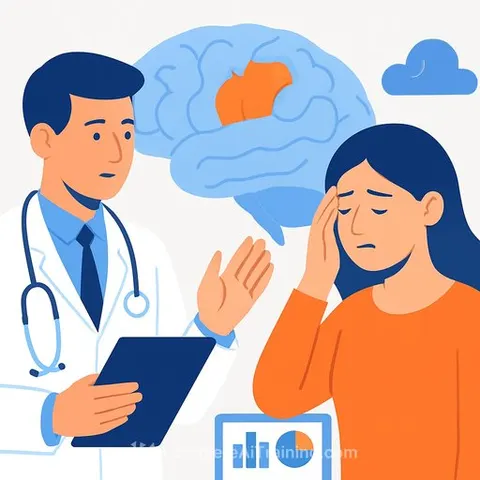
OpenEvidence Helps Clinicians Refine Diagnoses Through Evidence-Based Questions
OpenEvidence, an AI clinical decision support platform, is used by approximately 65% of U.S. doctors to verify medical knowledge, support clinical decisions, and prepare for certification exams. Monthly usage reached 2.6 million in December 2024 and is projected to grow to 27 million by April 2026.
The platform works by accepting clinical questions and returning evidence-based answers grounded in medical literature. Users can refine diagnoses by providing additional patient details, allowing the AI to narrow possibilities and suggest appropriate next steps.
How the Platform Works in Practice
A test case involving a patient with headaches triggered by naps and daytime drowsiness demonstrated the platform's workflow. An initial query returned multiple diagnostic possibilities organized into "most likely diagnoses" and "diagnoses that should not be overlooked," along with recommendations for physical examination and initial testing.
The system asked clarifying questions: Was the headache unilateral or bilateral? Did the patient snore? What was their napping posture? By gathering more specific information-headache location, pain characteristics, sleep habits, seasonal snoring patterns, and tinnitus frequency-OpenEvidence progressively refined its assessment.
Sleep apnea emerged as the top priority after the patient reported daily daytime sleepiness, headaches coinciding with drowsiness, and seasonal snoring worsening during spring pollen season. The platform noted that not all sleep apnea cases present with witnessed breathing pauses or morning headaches, making screening important despite the absence of these classic markers.
Translating Medical Language for Patients
OpenEvidence initially returns responses using medical terminology suited for clinicians. When instructed that a patient-rather than a healthcare professional-was asking, the platform adjusted its language significantly. Technical terms were replaced with explanations accessible to a general audience.
The system also generated practical tools: a headache and sleep diary template formatted for smartphone notes apps, a consultation memo organized by symptom category, and guidance on how to present symptoms to a physician. It recommended starting with the most troublesome symptom rather than listing complaints randomly.
Grounding Advice in Medical Evidence
Each response included citations to medical papers and reviews used to generate the answer. This transparency helped the patient distinguish reliable guidance from unreliable information found through general web searches or generic AI chatbots.
The platform emphasized when additional testing was necessary and when symptoms warranted specialist referral. It also clarified what lifestyle adjustments could help while explicitly stating these measures don't replace medical evaluation.
Access and Verification
The OpenEvidence app requires healthcare professionals to verify their credentials during signup-doctors and dentists upload medical registration numbers, pharmacists upload pharmacy credentials, and nurses provide national qualification documentation. The browser version currently allows access without account verification, though the permanence of this feature is unclear.
For healthcare professionals seeking AI for Healthcare applications, OpenEvidence demonstrates how clinical decision support systems can integrate AI Research into practice while maintaining evidence-based standards and supporting diagnostic reasoning.