Meta and Block Strip Out Middle Management, Replace With AI-Powered Roles
Meta and Block are eliminating traditional middle-manager positions and replacing them with new titles like "AI builder," "pod lead," and "player-coach" as they flatten organizational structures. The shift reflects a broader labor market trend: employers posted 12.3% fewer middle-manager jobs in 2025 than in 2024.
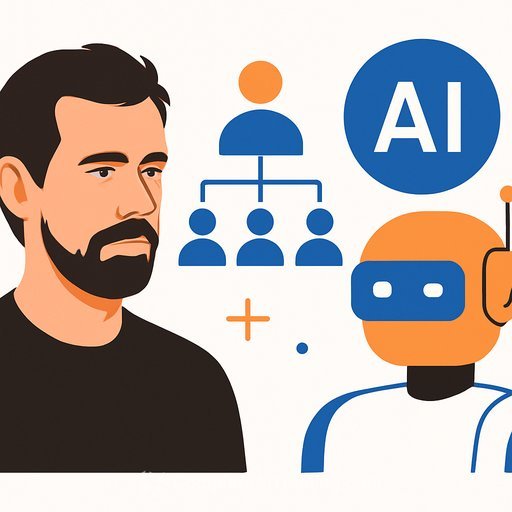
Meta is rolling out the new titles in its Reality Labs unit as part of a push to become "AI-native." Block CEO Jack Dorsey said on a podcast this week that he aims to reduce the number of organizational layers between himself and Block's 6,000 employees to two or three this year, down from about five.
What's changing in these roles
At Block, managers are being rebranded as "player-coaches" who build alongside their teams rather than oversee them. Individual contributors use AI tools to make their own decisions, reducing the need for approval chains.
Meta CEO Mark Zuckerberg said the company is investing in AI tools to flatten its structure. "We're starting to see projects that used to require big teams now be accomplished by a single very talented person," Zuckerberg said.
Dorsey and Sequoia partner Roelof Botha outlined their vision for a fully flat organization in a blog post this week. Dorsey said there is "no need for a permanent middle management layer. Everything else the old hierarchy did, the system coordinates."
The risk HR professionals need to watch
Experts warn that eliminating middle management without safeguards can create ambiguity and accountability gaps. Companies still need human "bridgers" to help teams collaborate across silos, according to organizational researchers.
Patty McCord, former Chief Talent Officer at Netflix, said micromanagement kills innovation. But the inverse-removing all management structure-can create different problems: unclear decision rights, unclear who owns outcomes, and unclear career paths for employees.
What this means for HR teams
HR professionals managing these transitions face concrete questions: How do you evaluate performance without traditional managers? How do you identify high performers and develop them? How do you handle conflict resolution and career development?
The organizational redesign also affects compensation structures, promotion pathways, and how companies measure productivity. Companies rolling out these changes need HR to design new feedback systems and career frameworks before eliminating the old ones.
For HR leaders navigating these shifts, understanding how AI fits into organizational strategy is critical. Resources like AI for Management and the AI Learning Path for CHROs provide frameworks for managing organizational transformation and workforce analytics as hierarchies flatten.
Meta and Block will continue rolling out their new structures in coming months. How other companies adopt-or adapt-these models will shape workplace organization across tech and beyond.
Your membership also unlocks: