Microsoft's Chief Diversity Officer Departs as HR Undergoes AI Restructuring
Lindsay-Rae McIntyre, Microsoft's chief diversity officer, is leaving the company at the end of March to become chief people officer at another organization. Amy Coleman, Microsoft's chief people officer, announced the departure to employees in a memo on Wednesday.
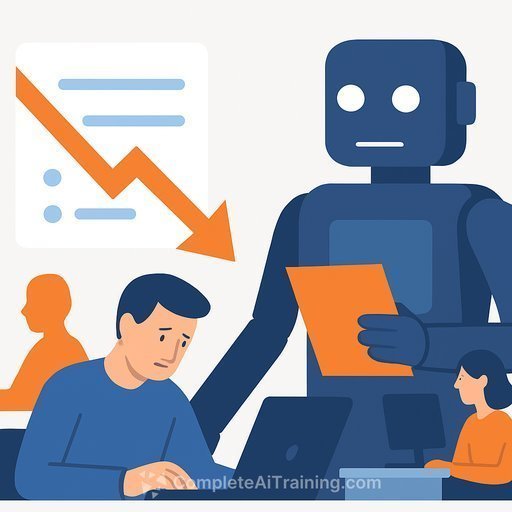
McIntyre's exit is part of broader human resources changes at Microsoft as the company restructures around artificial intelligence priorities. Coleman said the company is undergoing an "AI-powered transformation," though Microsoft did not specify what that means for the HR function.
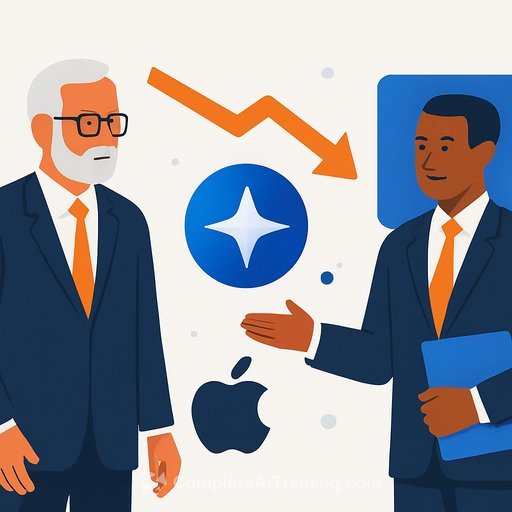
Microsoft shares have fallen 23% so far in 2026 as investors worry about competition from AI-powered products. The company has increased spending on data center infrastructure and graphics chips needed to run AI models, and is working to demonstrate returns on those investments.
Organizational Changes in HR Leadership
Microsoft is consolidating its engineering HR teams under corporate vice president Mel Simpson. The company is also close to hiring a new head of talent acquisition who will report directly to Coleman.
Diana Navas-Rosette will remain as general manager of culture and inclusion, reporting to Leslie Lawson Sims, who will lead a new people and culture team combining two existing groups. Microsoft's people analytics team will move under corporate vice president Nathalie D'Hers as part of the employee experience unit.
Coleman wrote that "talent strategy is competitive strategy" and that Microsoft's ability to win depends on hiring top talent during a period of intense competition.
Broader Executive Departures
McIntyre's departure follows other recent executive exits. Gaming leader Phil Spencer and productivity software head Rajesh Jha have both left Microsoft in recent months. Security executive Charlie Bell transitioned to an individual contributor role in February.
AI Adoption Metrics
In January, CEO Satya Nadella said Microsoft 365 Copilot, the company's AI add-on for productivity software, had reached 15 million seats. That represents 3% of Microsoft's total commercial Microsoft 365 user base.
For HR professionals navigating similar organizational changes, understanding how AI affects talent strategy and workforce planning is increasingly critical. Learn more about AI for Human Resources, or explore the AI Learning Path for CHROs to understand how AI reshapes people operations at scale.
Your membership also unlocks: