Microsoft Pairs AI Training Push With Internal HR Reorganization
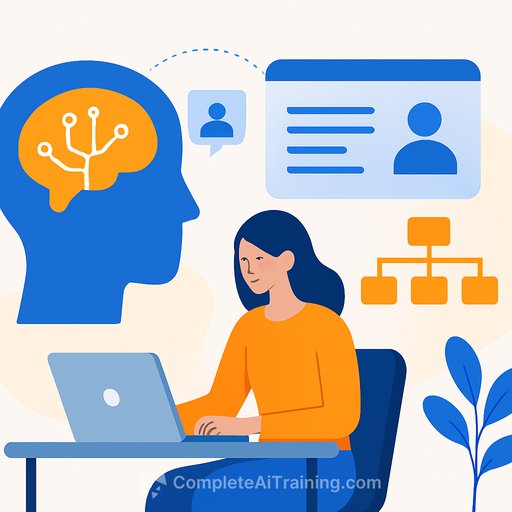
Microsoft is rolling out free AI skills training for U.S. workforce agencies while simultaneously restructuring its human resources department. The moves signal how the company is managing AI adoption on two fronts: helping workers and employers outside the company understand these tools, and reorganizing internally to handle rapid technological change.
The company partnered with the National Association of Workforce Boards to offer practical AI training through LinkedIn Learning. The courses target job seekers, career coaches, and workforce agency administrators, aligned with U.S. Department of Labor standards.
Separately, Microsoft consolidated its HR teams around compensation, workplace culture, and leadership roles. The restructuring is intended to streamline operations and improve internal collaboration during what the company describes as a period of AI-driven change.
What This Means for HR Leaders
For HR professionals, Microsoft's moves offer a window into how large organizations are positioning themselves around AI. The external training partnership suggests that workforce readiness and AI literacy are becoming baseline expectations for employers. The internal reorganization indicates that compensation, culture, and hiring decisions are being tightened under unified leadership.
Microsoft's approach to AI for Human Resources reflects a broader shift: companies are treating AI skills as a structural HR challenge, not a one-time training event. The company is betting that standardizing how it manages pay, culture, and people will help it execute AI projects faster.
Execution Risk and Opportunity
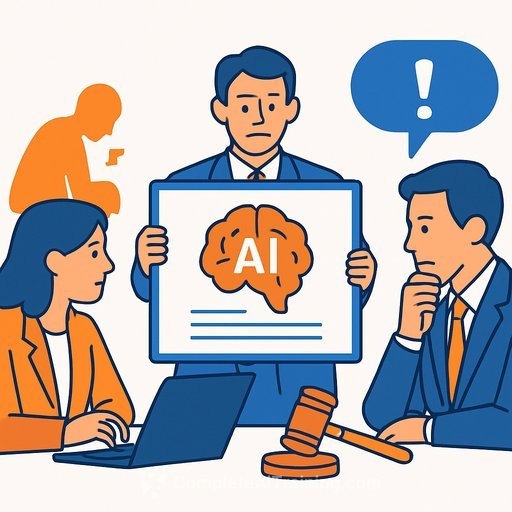
The HR restructuring carries execution risk. If the transition creates internal friction or slows decision-making, it could affect Microsoft's ability to deliver on AI and cloud projects at a time when investors are closely watching capital spending in these areas.
There is also reputational risk. Microsoft's public commitment to AI skills training may raise expectations from regulators and labor groups about how the company treats its own workforce. Any perceived misalignment between the external training and internal practices could invite scrutiny.
On the upside, consolidating HR functions could help Microsoft match talent to AI initiatives more quickly and maintain consistent practices across product teams. Positioning the company as a partner to workforce boards and government agencies may also deepen relationships with customers who need AI tools for productivity, cloud services, and security.
What to Watch
On earnings calls, listen for how Microsoft discusses employee productivity, retention, and AI-related hiring. The company may also share adoption metrics for the LinkedIn Learning courses offered through the workforce board partnership.
Comments on how the HR changes affect decision speed, cost control, or AI project delivery could signal whether the new structure is working as intended. If other large employers or public agencies begin referencing Microsoft's AI literacy curriculum as a standard, that would indicate how far this effort is reaching beyond the company itself.
For HR leaders, Microsoft's strategy offers a practical model: tie external training to internal organizational design, and treat AI skills as a structural problem that requires changes to how you hire, pay, and develop talent. The AI Learning Path for CHROs covers similar strategic territory for those responsible for these decisions in their own organizations.
Your membership also unlocks: