Microsoft shifts Copilot sales strategy as adoption rates lag
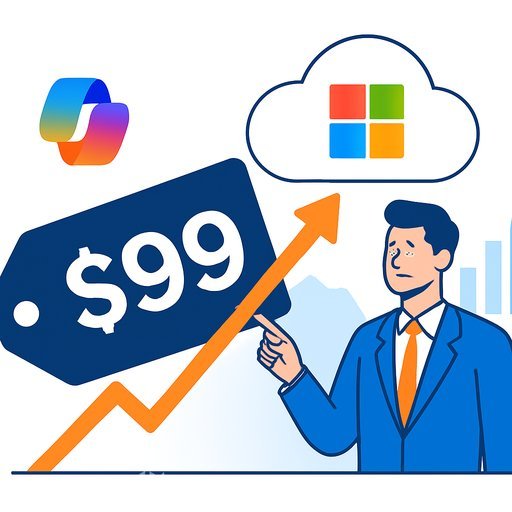
Microsoft has changed course on how it sells Copilot, moving away from bundling the AI tool with existing products and instead positioning it as a standalone purchase. The shift came after feedback from Wall Street and internal sales targets set by Judson Althoff, CEO of Microsoft's commercial business.
The move reflects a sales challenge: only 3% of Microsoft's customer base was paying for Copilot as of January. By establishing what leadership called "audacious goals" for the most recent quarter, the company is betting that direct sales of Copilot will drive higher adoption and revenue.
For sales professionals, this signals a broader trend. Vendors are moving away from bundled pricing models when adoption rates don't meet expectations, opting instead to sell AI capabilities as distinct products with clear value propositions.
Microsoft shares were fractionally higher in late afternoon trading following the announcement.
Learn more about AI for Sales and Microsoft AI Courses.
Meta readies new AI models under new leadership
Meta Platforms is preparing to launch its first new AI models developed under Alexandr Wang. The company plans to release versions of these models under an open-source license, making them available to external developers and researchers.
Intel pursues advanced chip packaging as growth opportunity
Intel's advanced chip packaging business is growing faster than many realize. The division, housed within Intel's Foundry chip-making arm, has been in talks with Google and Amazon about outsourced packaging services.
Both companies manufacture custom chips but outsource portions of the fabrication process. Intel sees advanced packaging as a way to compete with TSMC in the AI chip market, though TSMC currently dominates in production scale.
The effort positions Intel to capture a larger share of demand driven by AI infrastructure investments.
Your membership also unlocks: