
AI news ·
MinterEllison cuts graduate intake by a third and blames AI for taking over entry-level work
MinterEllison cut its graduate intake by nearly a third, from over 100 to 72 positions, directly blaming AI for taking over document review and research work. It's the first Big Law firm to publicly link graduate reductions to automation.
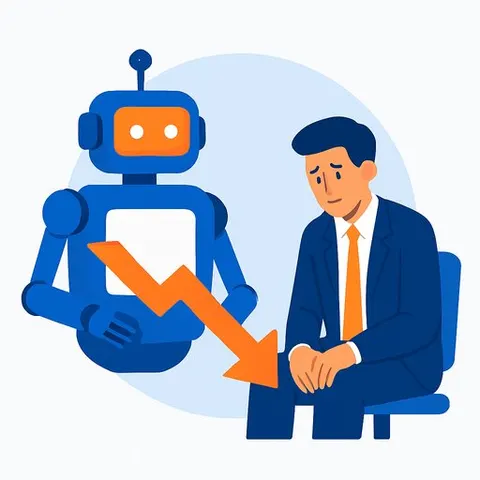
MinterEllison cuts graduate intake by nearly a third, citing AI automation
MinterEllison has reduced its 2025-26 graduate recruitment from over 100 positions to 72, a cut of nearly a third. The Australian firm is the first in the Big Law market to explicitly attribute the reduction to AI handling work that junior lawyers traditionally performed.
The move signals a structural shift in how law firms staff entry-level roles. Document review, legal research, and discovery work-tasks that once formed the backbone of junior lawyer training-are now being completed by AI tools in hours rather than weeks.
The pyramid model is hollowing out
Other top-tier firms have reduced graduate hiring, but most have cited economic conditions or shifting practice needs. MinterEllison's Chief People Officer Rachel Banks said the firm is being direct: routine work is now handled by machines, so the need for junior staff to perform it has diminished.
Herbert Smith Freehills, Allens, Mallesons, and Norton Rose Fulbright have all seen graduate numbers decline. Hiring across eight top-tier firms fell by about 7 percent this year.
The traditional law firm structure-a pyramid with many junior lawyers supporting fewer senior partners-is being compressed from the bottom up.
New graduates need different skills
Firms still hiring, including Gilbert + Tobin and Corrs, are looking for graduates who can work alongside AI tools rather than replace them. The expectation has shifted from "legal researcher" to "AI operator" who can blend human judgment with tools like Harvey or Legora.
Graduates without the ability to add value beyond what AI can generate are increasingly seen as overhead rather than assets.
Judges remain a constraint
Courts are holding human lawyers accountable for work filed in their names, including work reviewed or assisted by AI. Judges have flagged concerns about AI hallucinations and errors, meaning firms still need lawyers to verify machine output.
But this doesn't necessarily mean junior lawyers. One senior lawyer with AI tools can verify the work of multiple junior lawyers, changing the staffing equation.
The question now is which other major firms will follow MinterEllison's lead in reducing graduate programs. The market's public silence on this issue has ended.
For law students and junior lawyers, the message is direct: technical legal knowledge is no longer sufficient. Understanding how to work with AI tools has become a core requirement for entry-level roles.
Learn more about AI for Legal professionals or explore the AI Learning Path for Paralegals to understand how these tools are reshaping legal work.