
AI news ·
Most C-suite executives trust AI outputs more than human advice, survey finds
74% of C-suite executives trust AI over human judgment, and nearly half would let it override their own decisions. For product teams, that's a problem-outsourcing choices about features and strategy also outsources accountability.
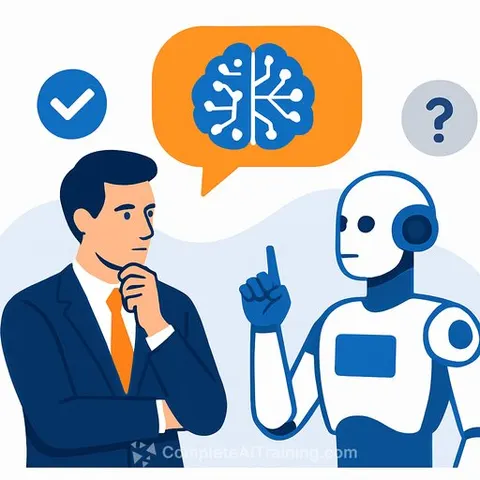
C-Suite Executives Are Trusting AI More Than Human Judgment
Seventy-four percent of C-suite executives trust AI outputs more than human advice, according to SAP research. Nearly half said they would let AI override a decision they had already made. For product development leaders, this trend raises a practical concern: over-reliance on AI for decision-making can erode the judgment and accountability that drive results.
The shift reflects a broader pattern in how organizations adopt new tools. Companies treat adoption itself as the endpoint, without examining what actually changes in how decisions get made.
The adoption trap repeats itself
Early cloud migrations offer a cautionary example. Systems got updated, but underlying processes stayed the same. Initial agile rollouts followed the playbook without considering operational context, and teams fell short of their targets.
AI is following the same path. It's being framed as a shortcut to better decisions. Many leaders accepted this framing without question.
Why this matters for product teams
Using AI to improve decisions is different from letting AI make decisions on your behalf. The first requires judgment-knowing when to trust the output and when to push back. The second outsources accountability.
For product development, this distinction is critical. Strategic choices about features, timelines, and resource allocation carry real consequences. A leader who defers to AI without exercising their own expertise risks undermining their credibility when outcomes disappoint.
The efficiency gains AI promises are real. But they come with a cost if leaders stop thinking critically about the problems they're solving.
Learn more about AI for Product Development and how to implement AI tools that support human decision-making rather than replace it.