
AI news ·
Most countries lack AI employment laws as workplace adoption grows, IBA report finds
Most countries lack specific laws governing AI in the workplace, leaving employers without legal guidance on hiring, monitoring, and automation. A survey of 48 countries found transparency and data protection are the top concerns.
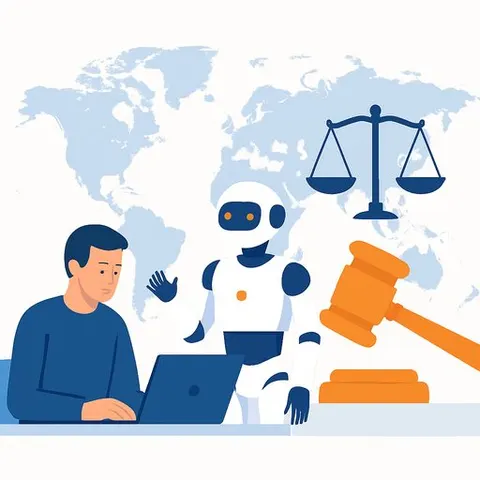
Few countries have AI employment laws, creating regulatory gaps
Most jurisdictions lack specific legal frameworks for artificial intelligence in the workplace, according to a report from the International Bar Association Global Employment Institute. This regulatory fragmentation leaves employers navigating recruitment, automation, monitoring, and workforce analytics without consistent legal guidance.
The 14th Annual Global Report on national regulatory trends in human resources law surveyed lawyers in 48 countries between 2024 and 2025. It found that transparency, employee rights, and data protection remain the primary concerns as AI spreads through hiring decisions and employee monitoring systems.
Dismissal disputes top litigation concerns
Termination and dismissal cases dominate employment litigation in most countries, the report found. Technology-driven restructuring has intensified these disputes, suggesting that AI adoption is already reshaping how organizations make decisions about workforce reductions.
The speed of AI integration into daily work practices has outpaced legal development. Employers and regulators are now forced to address consequences that were emerging trends just two years ago.
What employers should do now
The report calls for organizations to establish internal policies covering AI use, data protection, and employee oversight. Staff training, legal risk assessment, and transparency measures should follow.
Policymakers and legal practitioners need to develop adaptable frameworks that address three competing demands: operational efficiency, innovation, and employee protection.
Job losses and gains may offset
Global forecasts predict automation could eliminate 85 million jobs. The same analysis suggests up to 97 million jobs could be created, indicating workplace transformation rather than net unemployment.
Beyond AI, the report identified other pressures on HR departments: skilled workforce shortages, employee mental health concerns, flexible work arrangements, and outdated labor laws.
HR leaders managing AI adoption should review their organization's current policies and identify gaps in legal compliance. An AI learning path for CHROs can help executives understand governance, workforce analytics, and talent management in an AI-driven environment.