Most Customer Service Teams Still Run AI as Separate Tools, Not Systems
Eighty-one percent of customer service teams operate AI as disconnected tools rather than coordinated systems, according to a 2026 survey of 207 support agents across the U.S., UK, and Germany. The finding reveals a widening gap between how quickly organizations adopt AI and how well they integrate it into existing workflows.
AI is now used across customer service for drafting responses, summarizing conversations, routing tickets, and handling actions like refunds or cancellations. Yet most of these capabilities remain isolated from one another, creating friction rather than efficiency.
The Efficiency Paradox
Seventy-two percent of agents say AI improves efficiency. Only 42 percent say it actually reduces their time and effort.
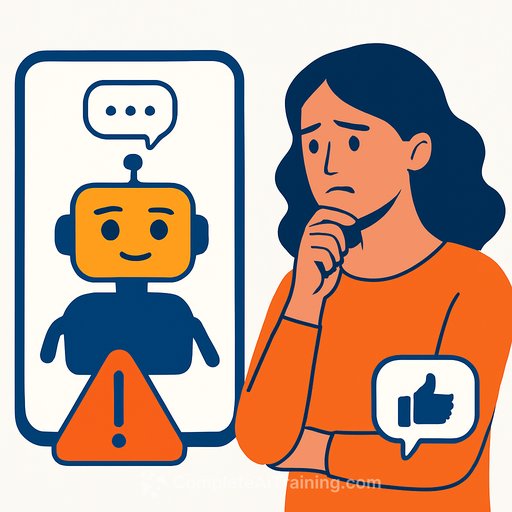
This gap points to a familiar problem: AI shifts work instead of eliminating it. Agents still manually review AI-generated outputs, monitor automated actions, and fix inconsistencies between systems. Nearly half of surveyed agents regularly correct AI mistakes. Ten percent only discover errors after customers report them.
The underlying issue is clear. Most organizations lack orchestration layers that coordinate multiple AI systems, human-in-the-loop feedback protocols, and specialized agents configured for different types of support requests.
What the Data Shows
- Only 1 in 5 agents say multiple AI systems clearly work together
- Just under 20% report unclear ownership of customer outcomes in AI-assisted workflows
- 72% see efficiency gains, but just 42% experience meaningful time savings
David Eberle, co-founder and CEO of Typewise, said the issue is not whether AI works in customer service. "Most teams today are not struggling with whether AI works; they're struggling with how it works together. Without coordination, supervision, and clear ownership, AI systems can create as much complexity as they remove."
What This Means for Your Team
If your support team is using multiple AI tools without a clear system connecting them, the survey results likely match your experience. Agents often become quality-control workers rather than problem solvers, checking what the tools produce instead of handling cases directly.
The fix requires more than adding another tool. It requires orchestration-a layer that manages which AI agent handles which request, tracks outcomes, and maintains clear ownership of customer issues.
Learn more about AI for Customer Support and how coordinated AI Agents & Automation differ from disconnected point solutions.
Your membership also unlocks: