
AI news ·
Most employees navigate AI at work without manager guidance, FranklinCovey research finds
80% of workers say their managers take a hands-off approach to AI, per new FranklinCovey research. Only 14% have received any AI training, and 40% say their manager doesn't know if they use it.
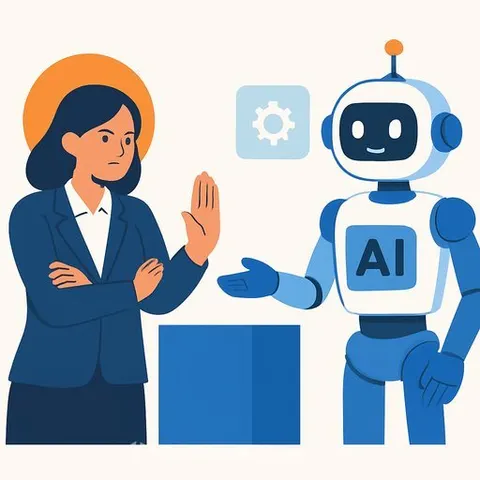
Managers Are Stepping Back From AI Adoption. That's the Real Problem.
Eighty percent of workers say their managers take a hands-off approach to artificial intelligence, according to new research from FranklinCovey Institute. The finding exposes the actual barrier to AI adoption in most organizations: not the technology itself, but how leaders engage with it.
The research paints a picture of employees left to figure out AI on their own. Only 14% of workers report receiving any AI training. Forty percent say their manager doesn't know whether they're using AI at all. Seventy percent believe AI is advancing faster than their company's culture can adapt.
These gaps translate to real business costs. Organizations struggle with inconsistent AI usage, underutilized tools, and slowed innovation. Many have not deployed AI enterprise-wide, and those that have see scattered, uncoordinated adoption.
Three Patterns That Stall Adoption
FranklinCovey identified three common leadership mistakes that kill AI momentum.
- Encouraging use without guidance. Teams improvise without clear boundaries, breeding inconsistency and risk.
- Framing AI as cost-cutting. This creates anxiety rather than engagement and ownership.
- Moving too cautiously. The vacuum gets filled by informal, unguided experimentation that nobody monitors.
Each pattern produces the same result: AI projects that stall, wasted tool investments, and eroded trust between employees and leaders.
What Works Instead
The organizations winning with AI pair human judgment and creativity with AI's speed and scale. They invest in leaders who can do two things simultaneously: equip individual contributors to experiment with confidence, and establish clear organizational expectations that prevent chaos.
Effective leaders model confident AI use themselves, set boundaries, and coach their teams through the discomfort of change. They identify high-value AI opportunities in everyday work and celebrate wins with their teams. They don't centralize AI ownership in a single person or department - that creates bottlenecks and alienates the people who need to adopt it.
FranklinCovey is working with large technology firms and other clients to build these leadership behaviors through targeted programs. Early adopters report greater confidence in leading AI adoption, measurable gains in how teams use AI, and increased daily use of AI in business-critical work.
For managers, the implication is clear: stepping back from AI isn't caution. It's a missed opportunity to shape how your team works. Resources on AI for management can help you move from hands-off to hands-on leadership that drives real adoption.