
AI news ·
Most healthcare organizations lack confidence in recovering from an AI-driven identity breach, survey finds
75% of healthcare IT leaders expect AI-driven attacks on identity systems, but only 25% think they could fully recover from a breach exposing admin credentials. Many organizations run AI agents with excessive permissions and no recovery plan.
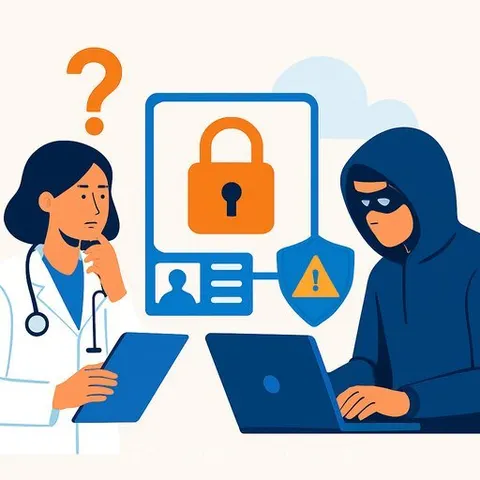
Healthcare Organizations Unprepared for AI-Driven Identity Breaches
Three-quarters of healthcare IT leaders expect AI-driven attacks on their identity systems, but only 25% believe they could fully recover if an AI agent exposed administrative credentials, according to a survey of 1,100 IT and security professionals across industries.
The gap between perceived risk and actual preparedness reveals a critical vulnerability. Healthcare organizations have deployed AI agents for automation across IT support, security tasks, and data authentication. Each agent operates with specific permissions-sometimes extensive ones-that attackers could exploit if they compromise the system.
Widespread Deployment, Minimal Controls
More than one-third of healthcare respondents have at least one AI agent on local machines with access to Secure Shell and encryption keys. One in three organizations already uses AI agents for security-related tasks, with 60% planning to deploy them for security work within the next year.
The problem: these agents are often overpermissioned. An AI support agent might "helpfully" reconfigure security settings or grant access in ways that lock entire teams out of identity systems or create holes in corporate VPNs.
Only 66% of healthcare organizations register, authenticate, and authorize AI identities within their systems. Of those that do, nearly half manage AI identities separately from human identities, bypassing standard security practices like least privilege.
The Credentials Problem
An AI agent compromised by an attacker gains all the permissions assigned to it. If that agent can access password managers, browser sessions, or encryption keys, an attacker gains those same capabilities-potentially exposing admin credentials that could cripple entire networks.
69% of healthcare respondents believe attackers will use identity systems to target their infrastructure. Yet organizations lack the recovery plans to handle such breaches.
What Healthcare Organizations Need Now
Security researchers recommend treating AI agents as non-human identities within the identity fabric, subject to the same controls applied to human accounts.
Essential controls include:
- Applying least privilege principles to AI identities
- Implementing dedicated identity infrastructure for agents
- Establishing backup and recovery procedures
- Segregating AI and human trust boundaries where appropriate
Organizations should assume AI identities will eventually be compromised and plan recovery procedures accordingly. 90% of healthcare respondents already identify AI identity governance as a top security priority, but many lack the implementation to match that commitment.
The operational benefits of AI for healthcare are real. The cost of deploying them without proper controls is potentially catastrophic.