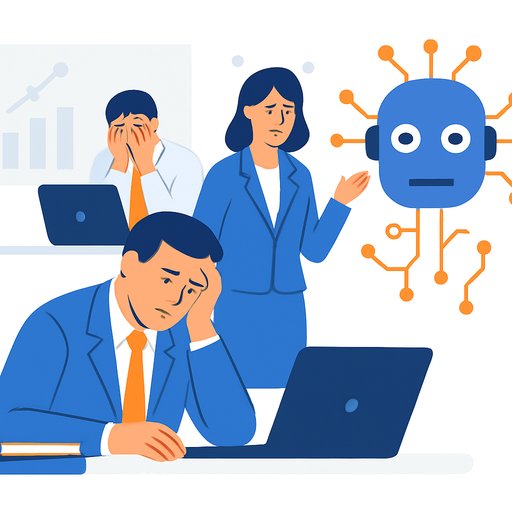
The Manager Glut Is Costing Organizations Money
Only 22% of managers globally are engaged at work, according to Gallup. That statistic masks a deeper problem: organizations have built bloated management structures that drain resources while delivering weak leadership.
Many companies promote individual contributors to management roles as a retention strategy. The math is simple on paper-keep talented people by offering them a path to higher pay and influence. In practice, it has created a surplus of managers, many unprepared for the role.
Managers earn 33% more than individual contributors on average, a gap that widens to over 50% at senior levels. That premium should buy organizations strong leaders. Instead, 82% of U.K. managers have no formal training, and many rely on gut instinct rather than structured judgment to lead their teams.
What Managers Actually Do
The function of management is real. Managers set goals that align teams with business strategy, coordinate across departments, hire staff, and handle compensation questions. They also shape team culture and catch early signs of burnout or dysfunction.
But management has also become a social contract-an unspoken agreement that staying with a company long enough means a promotion to leadership. This expectation has overstuffed organizations with "accidental managers" who lack the training or judgment to sustain high-performing teams.
Where AI Changes the Equation
AI creates an opportunity to break this pattern. As organizations can oversee more people with fewer leaders, the traditional addiction to manager positions is reaching a breaking point.
Companies that use AI to amplify human judgment-rather than replace it-can move beyond conventional management structures and actually capture a return on investment. This requires rethinking who needs to be in a management role and how leadership operates.
For executives and strategy leaders, the question is no longer whether to add more managers. It's whether the managers you have are worth what they cost.
Learn more about AI for Management and how to apply AI in executive strategy.
Your membership also unlocks: