
AI news ·
Most students use AI for academic writing but worry about losing independent thinking skills, survey finds
89% of students at Goethe University Frankfurt use AI for academic writing, yet over half feel they accomplish less on their own. Many worry about losing critical thinking skills even as time pressure pushes them to let AI handle entire tasks.
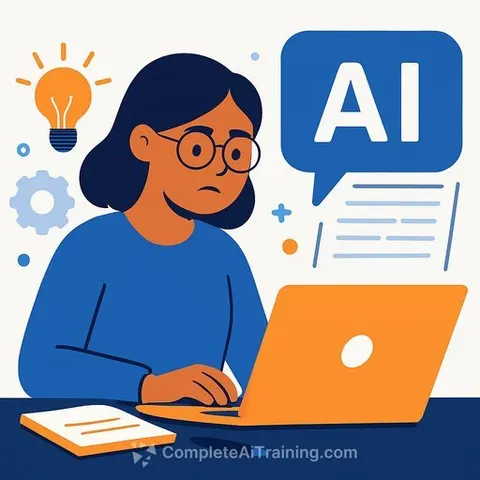
Most Students Use AI for Writing, but Worry About Losing Skills
Eighty-nine percent of students use AI tools like ChatGPT or DeepL in their academic writing, according to a survey of 4,048 students at Goethe University Frankfurt. Yet their comfort with these tools remains conflicted. They value AI for efficiency and brainstorming, but fear becoming dependent on it and losing the ability to think critically.
The survey, conducted by the university's writing center, found that students typically use AI to begin working on a topic, brainstorm ideas, or polish language and style. They use it less often for analyzing research texts or drafting substantive content-only about one-third reported doing so.
Students Know the Risks
More than half of respondents said they felt they accomplished less independently when using AI. Forty-five percent worried about losing their critical thinking ability. Yet 92 percent said they felt responsible for the texts they submitted, and 78 percent described writing as essential to developing ideas and learning.
"Many are highly aware that AI systems are prone to errors, and they are concerned about losing skills through excessive reliance on them," the study found.
Intention Meets Reality
Despite these concerns, students often cross their own boundaries. Ten percent reject AI entirely. Another 18 percent use it responsibly-as a sparring partner for ideas or a tutor for methodology. But 72 percent admitted they are tempted to let AI take over entire tasks, raising questions about authorship and their actual contribution.
Time pressure, grade anxiety, and the persuasive design of AI chatbots drive this drift. One student captured the tension: "Sometimes I have to actively motivate myself to think independently instead of handing the task over to AI."
Universities Must Act Now
The survey recommends that universities take four steps:
- Define which literacy skills remain essential, which can be delegated to AI, and which AI-related competencies students should develop
- Expand AI literacy beyond technical training to address emotional and motivational dimensions
- Establish discipline-specific guidelines for AI use in academic writing
- Strengthen support for reading and writing skills, integrating them into subject-specific teaching rather than treating writing only as an assessment tool
The window for action remains open. Many current students learned to write before AI became widespread and still understand what's lost when too many tasks are delegated. That awareness is unlikely to persist in future cohorts.
The goal is not to ban AI, researchers concluded, but to help students use it in ways that support rather than undermine their own intellectual work. For writers working in academic settings, this means developing both technical competence and the judgment to know when to use these tools-and when not to.