
AI news ·
Nebraska Public Media opens survey on artificial intelligence use in schools
85% of schools used AI in class last year, despite 59% of teens reporting frequent cheating with chatbots. Nebraska Public Media is now seeking local accounts of this shift.
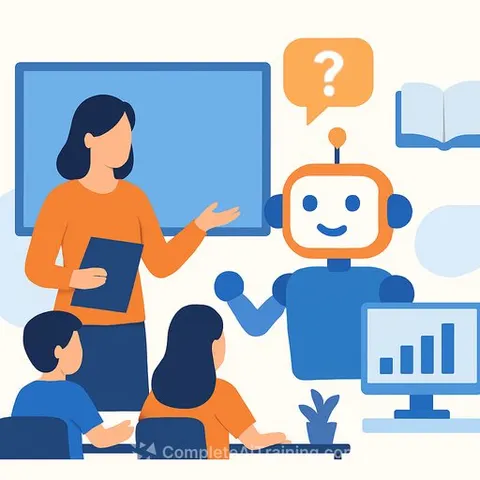
A national survey released in 2025 shows that more than half of teenagers use AI chatbots to search for information or get help with schoolwork, but the growing adoption is carving clear divides based on where students live, household income, and how aggressively individual schools embrace the technology. The data arrives as Nebraska Public Media News opens a survey seeking firsthand accounts from K-12 students, parents, educators, and administrators about how artificial intelligence is replacing traditional practices in the state's classrooms.
Teen and parent perspectives on AI
The Pew Research Center survey found that 59% of teens believe students use AI chatbots to cheat "somewhat often" to "extremely/very often." About 51% of parents said their own teenager uses a chatbot, while 18% said they do not and 28% were unsure. Parents are comfortable with chatbots for informational or fun purposes but draw the line at casual conversation or emotional support. The findings underscore a tension between the tools' utility and the ethical concerns they raise in academic settings.
Emerging risks in schools
Research from the Center for Democracy and Technology identifies four growing risks: data breaches and ransomware attacks, tech-enabled sexual harassment and bullying, AI systems that fail to work as intended, and troubling interactions between students and technology. Despite these warnings, 85% of schools surveyed by the same group used AI in the classroom during the 2024-25 school year, and school policies are trending toward permitting its use.
The Center for Democracy and Technology's research highlights that 85% of schools used AI in the classroom last year, a sign that AI for Education is no longer a fringe concept. The same study noted that teachers who use AI more often are more likely to agree with its potential benefits. However, students attending schools that deploy AI for many purposes are more likely to say the technology creates distance from their teachers.
Why this matters for education professionals
The split in experiences and attitudes means educators, administrators, and policymakers must address equity gaps head-on. Professional development that helps teachers evaluate AI tools critically, craft clear usage policies, and mitigate risks like cheating and data exposure will shape whether the technology closes learning gaps or widens them. The data makes one point clear: AI is already in the classroom, and the choices made now will determine who benefits.