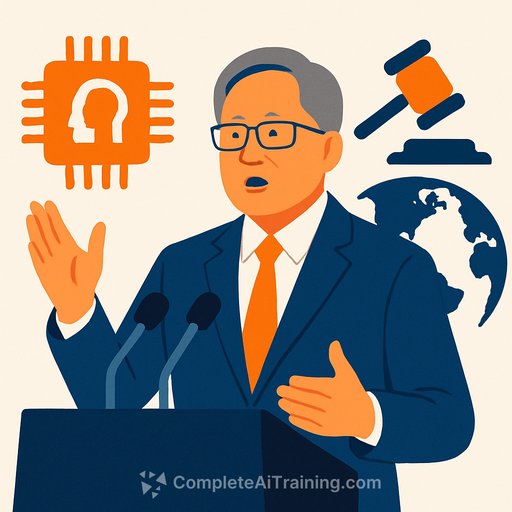
Nvidia CEO Criticizes US AI Chip Export Restrictions and Calls for Policy Change
Jensen Wong, CEO of Nvidia, has openly criticized the current U.S. restrictions on AI chip sales to China, calling them ineffective. He stressed that these barriers hinder the U.S. from fully capitalizing on the global AI market and urged the White House to reduce these limitations to accelerate AI adoption and maintain competitiveness.
Nvidia’s Business Challenges in China
China represents the largest semiconductor market globally, yet U.S. regulations have increasingly limited Nvidia’s ability to operate there. The newest restrictions block shipments of specific AI chips to China, creating operational difficulties and limiting Nvidia's market reach.
Recent Regulatory Developments
During a recent trip to the Middle East, Wong expressed optimism about potential regulatory changes. However, he made a clear distinction between Nvidia’s ability to sell semiconductors to Gulf states and the current hurdles in doing business directly with China, which remain significant.
Capitalizing on AI Infrastructure Investments
Wong advocates for the U.S. to leverage the substantial AI infrastructure investments made in China. He believes U.S. technology should play a pivotal role in the global AI ecosystem, and that easing restrictions could help maintain American leadership in the sector.
U.S. AI and Semiconductor Policy Overview
A senior AI policy advisor outlined the administration’s approach to semiconductor technology. They acknowledged that prior export controls under the previous administration were largely ineffective. New strategies are being introduced to strengthen U.S. dominance in AI while addressing these gaps.
Looking Ahead: Future AI Policy
The administration plans to announce new AI policies focusing on innovation, infrastructure development, and international cooperation. Streamlining regulations to support entrepreneurship and technological growth is a key priority.
Elon Musk’s Role in AI Policy
The advisor also mentioned Elon Musk’s engagement with the administration regarding AI policy. Musk's influence is recognized, but the driving force behind these initiatives remains the president’s commitment to securing U.S. leadership in AI technology.
Key Takeaways for Executives and Strategists
- Current U.S. chip export restrictions to China are impacting major players like Nvidia and could slow AI adoption globally.
- There is a growing call within the tech industry for the U.S. government to ease regulations to maintain competitive advantage.
- Upcoming policy announcements are expected to prioritize innovation, infrastructure, and international collaboration.
- Strategic decisions in semiconductor and AI policy will significantly influence global technology leadership.
For executives seeking to stay informed on AI trends and policy impacts, exploring up-to-date AI courses can provide valuable insights. Visit Complete AI Training’s latest AI courses for resources tailored to strategic professionals.
Your membership also unlocks: