Nvidia's H200 China Push: What Sales Teams Need to Know Now
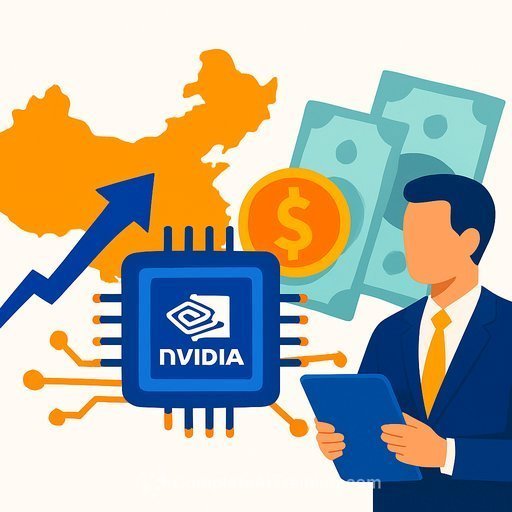
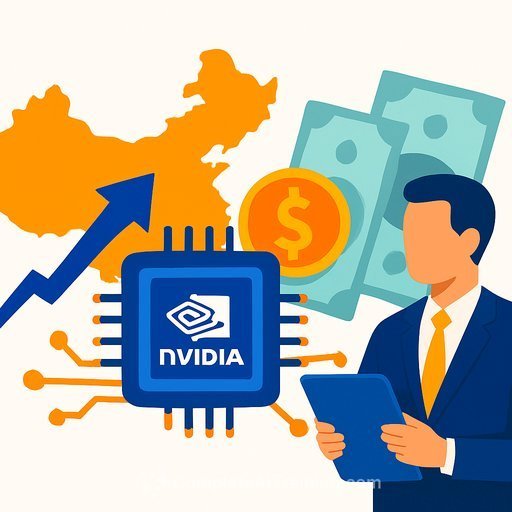
Nvidia aims to sell H200 AI chips in China as early as February after getting a green light tied to a 25% revenue-sharing agreement with President Donald Trump. The catch: bipartisan resistance in the U.S. and possible pushback in China still threaten the plan, keeping outcomes uncertain and forecasts shaky. Reuters reported the target timing this week, but momentum is far from locked.
The H200 is a generation behind Nvidia's Blackwell line. It was previously barred from sale to China on national security grounds and still faces loud opposition at home. U.S. lawmakers in both parties have floated bills to restrict advanced AI chip exports, while Chinese officials haven't cleared H200 buying-and could discourage it, similar to what happened with the H20 earlier this year. Jefferies analysts noted the chip might face quotas or extra buyer requirements and added, "it still seems unlikely to happen."
Why this matters for sales
Volatile policy means volatile pipeline. Treat China H200 deals as upside, not commit, until you see license clarity or official approvals on both sides. If you sell AI infrastructure, this is a forecast, pricing, and terms problem first-then a product problem.
Forecasting and deal strategy
- Build two paths: Base case with zero H200 China revenue through H1; Upside case with limited quota shipments starting Feb-Apr. Assign probabilities and keep them updated weekly.
- Insert compliance contingencies: shipping windows, price holds tied to license approvals, and clear force majeure language around export controls.
- Rework discount policy: a 25% revenue share cuts room. Protect margin with service bundles, integration, training, and multi-year support commitments.
- Avoid hard delivery promises until export status is confirmed. Stage POs with cancellation or re-allocation rights if approvals slip.
- Pre-qualify buyers: ownership, end-use, data center location, and any reseller involvement. Keep documentation tight for audits.
Signals to watch before you commit
- Any formal guidance from the U.S. Department of Commerce/BIS on licensing or exemptions. BIS policy updates can move timelines overnight.
- Progress on House proposals targeting advanced AI chip exports. Early committee movement is your early-warning system.
- China approvals or informal guidance that could discourage large purchases, as seen with the H20.
- Reports of quota caps or added buyer requirements that throttle deal size or segment eligibility.
- Lead-time changes from Nvidia or distribution partners; sudden slips often signal policy friction.
- Ongoing coverage from sources like Reuters for timing cues. Latest tech policy reporting
Messaging your buyers
- Set expectations: approvals are pending. Be transparent about timing and what could change it.
- Position fit: H200 may be a step behind Blackwell, but it can still meet many training and inference workloads at the right price and SLA.
- Offer plan B: validated alternatives or phased deployments that start with software/services while hardware clears.
Pricing and margin math under a 25% share
Assume a straight haircut to recognized revenue on China H200 deals. That forces tighter discount ceilings and stronger attachment of services to keep contribution steady. Move negotiations toward TCO: integration, optimization, support responsiveness, and predictable renewals. Where possible, split contracts so software and services progress even if hardware stalls.
Tactical moves for Q1-Q2
- Tag every China H200 opportunity in CRM with an "export status" field and a separate probability from standard MEDDICC/BANT. Keep it out of commit until both U.S. and China approvals are in sight.
- Negotiate staged POs: tranche shipments conditioned on license milestones. Add automatic renegotiation if approvals miss a date.
- Bundle value: training, inference optimization, and integration sprints. Use these to stabilize margin and create momentum while hardware is pending.
- Hedge geographically: accelerate non-China pipeline to protect quota while this plays out.
- Enable the field: a short FAQ on approvals, likely timelines, and what you can/can't promise. Keep it updated as policy shifts.
Market check
Nvidia shares rose about 2% in late-morning trading Tuesday. The stock is up 40% in 2025, still off 12% from its late-October high-optimism with a clear layer of caution.
Level up your AI-sales toolkit
If your team sells AI infrastructure or services and you need sharper talk tracks, objection handling, and scoping frameworks, browse curated learning by role: AI courses by job.
Your membership also unlocks: