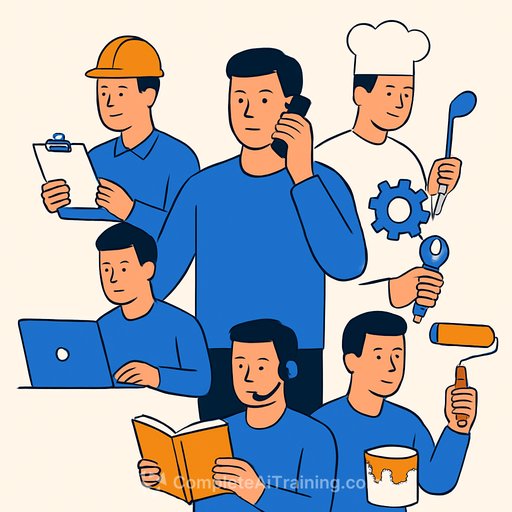
AI Won't Just Change Jobs. It Will Shrink Teams. Here's the HR Playbook.
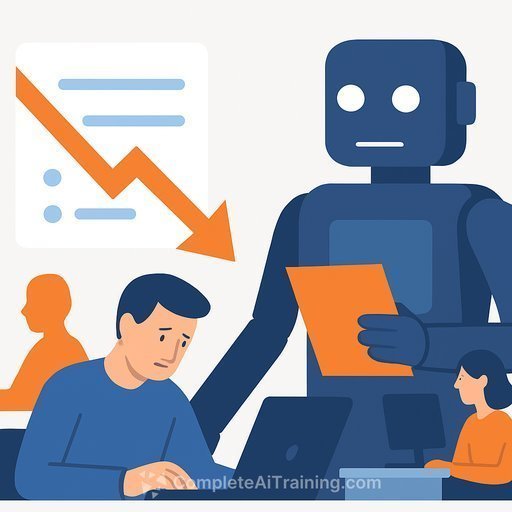
We've heard a comforting line for months: AI won't take jobs; it will change them. That's only half true. AI is driving productivity so high that one person with the right tools can do the work of many.
Writing, coding, support, research, design, even legal drafts-done faster, cheaper, and with fewer errors. When output per head jumps, companies need fewer heads. That's simple economics.
Some jobs will go. Some teams will shrink. Some functions will be redesigned. HR has to plan for all three, not just reskilling.
We've Seen This Movie Before
ATMs reduced teller roles and changed bank branches. Office computers cut typing pools and routine clerical work. Productivity went up; headcount needs went down.
Technology creates opportunities, but transitions bring friction. AI will be the same-new jobs will appear, but not fast enough or in equal numbers across roles and locations.
What This Means for HR
Even with upskilling, efficiency gains mean fewer people are needed for the same outcomes. That pressure will ripple across families, education choices, and cities built around certain industries.
HR's job now: tell the truth, prepare people early, and design humane transitions.
New Roles Are Emerging (Hire and Develop for These)
- AI trainers and reviewers (improving outputs, data quality)
- Prompt designers and workflow automators
- AI ethics, risk, and compliance leads
- Customer journey planners blending human touch with AI touchpoints
- Analytics translators who connect business problems to AI solutions
Human Skills That Gain Value
Machines analyze. People interpret, persuade, and care. Double down on:
- Empathy and difficult conversations
- Clear communication and storytelling with data
- Coaching, leadership, and negotiation
- Creative problem solving and first-principles thinking
Speak Early. Be Specific. Reduce Anxiety.
Employees aren't scared of tools-they're scared of silence. Culture is tested when decisions hurt.
- Explain where AI will be used, why, and how roles will shift
- Offer training before changes hit-not after
- Provide internal mobility paths and fair exit support if needed
- Treat people with respect; how you handle this is how you'll be remembered
The 90-Day Action Plan for HR
Days 0-30: Get the Map
- Run an automation audit: list tasks by role; flag high-automation areas (content creation, QA, tier-1 support, reporting).
- Build a skills inventory: map current skills to future needs (automation, data literacy, AI oversight, compliance).
- Model scenarios: project productivity gains (10-50%) and headcount impacts; plan redeploy, redesign, or reduce.
- Draft an AI use policy: privacy, security, bias checks, human-in-the-loop, approval flows.
Days 31-60: Prepare People and Workflows
- Pilot AI in two functions: measure cycle time, error rates, cost per task, and morale impact.
- Create reskilling paths: short, role-based learning for automation tools, analytics dashboards, and AI oversight.
- Stand up an internal mobility hub: gig projects, temporary assignments, and fast-track transitions.
- Write the comms plan: FAQs, team talks, manager scripts, and a clear timeline.
Days 61-90: Decide and Support
- Scale what works: standardize successful pilots; retire redundant work.
- Commit to redeploy first: set targets for internal moves before external hiring.
- If reductions are required: be transparent, fair, and helpful-outplacement, references, and real job leads.
- Publish metrics monthly: show progress, learnings, and what's next.
Metrics That Matter
- Productivity per FTE and time-to-completion by process
- Reskilling completion and time-to-proficiency
- Internal mobility and redeployment rate
- Quality: error rates, rework, compliance findings
- Engagement and voluntary attrition in affected teams
Policy and Structure Updates
- Job architecture: add "human + AI" hybrid roles with clear skill bands
- Performance and pay: reward outcomes, not hours; recognize AI-enabled efficiency
- Data and ethics: privacy, bias testing, attribution, human sign-off for sensitive outputs
- Manager enablement: training on AI oversight, coaching through change, and tough conversations
What Employees Can Do (and HR Should Encourage)
- Learn core AI tools used in your function
- Improve communication and stakeholder skills
- Document wins where AI boosted your output or quality
- Build a strong network and stay curious-don't wait for a memo
Yes, AI is arriving faster than expected. Accept the math, prepare your people, and handle the change with humanity. That's how organizations stay strong-and how workplaces stay genuinely happy.
Helpful Resources
Your membership also unlocks: