
AI news ·
Online courses make AI education more accessible to non-technical learners in India
Indians without technical degrees are moving into AI careers through online courses as demand for AI talent outpaces hiring. Platforms offer flexible, low-cost training in tools employers want, from prompt engineering to machine learning.
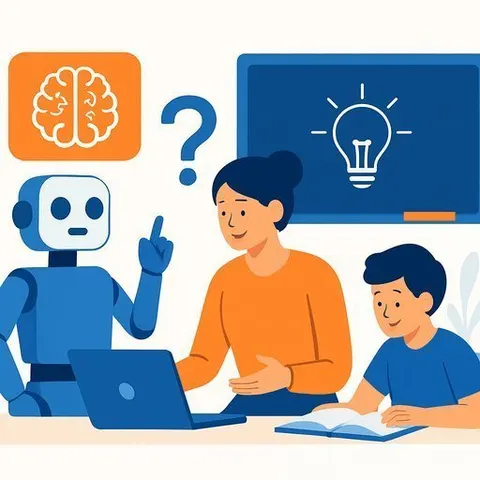
Online courses are opening AI careers to Indians without technical backgrounds
Thousands of Indians with little or no technical background are now moving into AI-driven roles, powered by online learning platforms. The demand for AI talent in India is growing faster than companies can hire, and the traditional barriers to entry-advanced degrees, strong math foundations, programming expertise-are falling away.
Anyone with an internet connection can now begin building AI skills at their own pace and budget, from basic automation tools to machine learning models. This shift is reshaping how education is designed and who gets access to high-growth careers.
Simplified pathways replace gatekeeping
Online platforms have broken down complex AI concepts into structured, beginner-friendly learning. Most courses start with fundamentals like data handling and prompt engineering, then progress to machine learning, natural language processing, and generative AI.
This layered approach lets learners build confidence gradually. The focus on practical work-building chatbots, automating workflows, analyzing datasets-matches what employers actually want to see.
Flexibility enables working professionals to upskill
Online courses allow learners to study anytime, anywhere. For working professionals in India looking to shift into AI roles without leaving their jobs, this flexibility is essential.
Late-night learning, weekend sessions, and short modular lessons make it possible to balance work, family, and education. Many learners say this flexibility is what makes a career transition possible.
Cost is no longer prohibitive
Full-time AI programmes at top institutes are expensive and out of reach for many. Online alternatives cost far less, with free introductory modules, subscription pricing, and flexible payment options.
This pricing shift is expanding access beyond metro cities, bringing opportunities to learners in smaller towns and non-traditional backgrounds.
Course content stays current with industry
Traditional curricula take years to update. Online courses evolve quickly to match what industry needs right now. Content is regularly refreshed to cover new tools and emerging areas.
Many programmes are designed with input from industry experts, ensuring learners acquire skills they can use immediately. Certifications from well-known platforms are gaining recognition, especially when backed by hands-on projects.
AI literacy matters across all fields
The demand for AI skills is not limited to engineers. Professionals in business, finance, healthcare, media, and education need to understand how AI affects decisions, workflows, creativity, and productivity in their domains.
This is making AI literacy as important as domain knowledge, pushing learners across disciplines to engage with AI tools in their fields.
Community and mentorship reduce isolation
Peer groups, discussion forums, and mentorship sessions keep learners motivated and help them navigate difficult concepts. For beginners, this support system can be the difference between staying on track and dropping out.
Some platforms also offer career support-resume building, mock interviews, job placement assistance-that bridges the gap between learning and employment.
Employers are shifting hiring priorities
In fast-moving fields like AI, companies increasingly prioritize skills over formal degrees. Hiring managers now look for portfolios, problem-solving ability, and real-world project experience.
This shift opens doors for candidates without traditional academic credentials who can demonstrate capability with AI tools and applications.
Quality and consistency remain challenges
Course quality varies widely, and not all certifications hold equal value. Learners must evaluate programmes carefully to ensure credibility and relevance.
The flexibility of online learning also requires strong self-discipline. Many learners struggle to stay on track without the structure of a classroom.
Still, the direction is clear. Universities are becoming AI-first institutions, designed around intelligence, inclusivity, and impact rather than traditional degree models.