OpenAI Introduces Study Mode to Promote Responsible Use of ChatGPT in Education
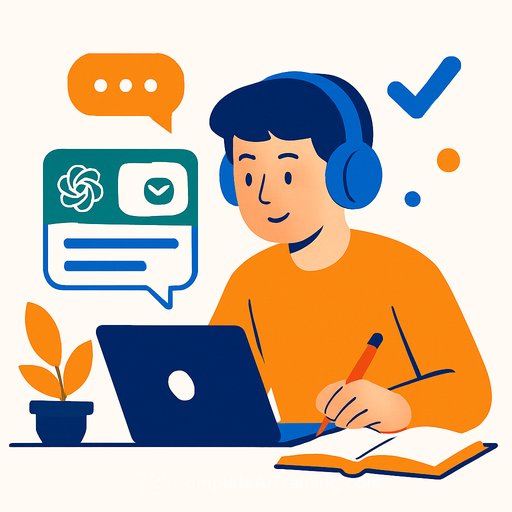
OpenAI has launched a new "study mode" feature for ChatGPT aimed at encouraging responsible academic use. This mode helps students with homework, exam preparation, and learning new subjects by guiding them through material in an interactive, step-by-step manner. Rather than providing direct answers, the feature supports deeper comprehension and critical analysis.
How Study Mode Works
For example, when a student asked for help with Bayes' theorem, the chatbot first inquired about the student's mathematical background and learning goals. It then proceeded to explain the concept incrementally, mimicking a classroom-style interaction. This approach fosters engagement and helps students build a solid grasp of the topic instead of simply receiving ready-made solutions.
Addressing Academic Integrity Concerns
The launch comes amid rising worries over misuse of AI in academic settings. A recent investigation by The Guardian revealed nearly 7,000 confirmed instances of university students using AI tools to cheat during the 2023-2024 school year. In the U.S., over one-third of college-aged adults reportedly use ChatGPT, with about 25% of interactions related to educational activities such as homework and teaching.
Jayna Devani, OpenAI’s head of international education, emphasized that the company does not support misuse and sees study mode as a step toward responsible AI use in learning. However, she also highlighted that tackling academic dishonesty requires a broader conversation across the education sector to redefine assessments and set clear AI usage guidelines.
Features and Limitations
- Students can upload previous exam papers to work through them collaboratively with ChatGPT.
- The mode encourages interaction rather than just giving direct answers.
- Users can still bypass study mode and request straightforward answers if they choose.
- The feature was developed with input from teachers, scientists, and education experts.
- OpenAI warns there may be occasional inconsistencies or errors during conversations.
For education professionals, this new tool offers a way to integrate AI that supports active learning while addressing concerns about cheating. It also opens up opportunities to rethink how student work is evaluated in an era where AI assistance is increasingly common.
To learn more about AI tools and responsible integration into education, explore resources at Complete AI Training.
Your membership also unlocks: